
Patan Stay Association authorized by: Lalitpur Metropolitan City Office, Registration No: 19
Accommodation in Patan
- B&B
- Lalit Heritage Home
- Temple House
- Mahabuddha Guest House
- Dhakhwa House
- Boutique Heritage Home
- Sulimha Durbar
- Looniva Guest House
- Cafe de Patan
- Hotel Goodwill
- Mangal Chhen
- Traditional Stay-A Boutique Hotel
- Tajaa Pha The Heritage Home
- Pahan Chhen
- Sagarmatha Apartment BnB
- Sichu Chhen
- Durbar Guest House
- Peace & Joy Guest House
- Home Stay
- Apartment
Welcome Heritage city of PATAN
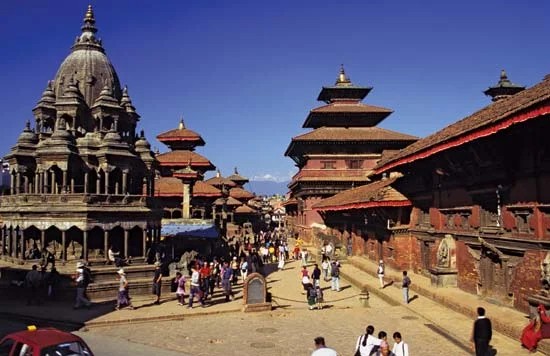
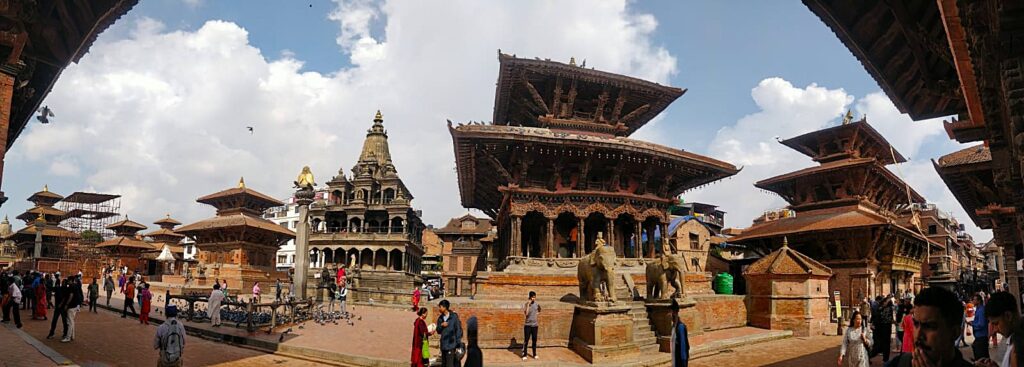
Patan also known as Lalitpur, is one of the oldest cities in the world and a jewel of Nepal’s cultural heritage. Recognized as a UNESCO World Heritage Site in 1979, it is renowned for its elegant temples, intricate stone and metalwork and traditional Newari lifestyle. Patan’s narrow lanes, ancient courtyards and vibrant festivals reflect over 2,000 years of living history making it a true open-air museum where art, culture and spirituality thrive together.
Why Stay In PATAN
Experience Patan’s rich heritage, culture and Newari hospitality.
Explore Patan Durbar Square, a UNESCO World Heritage Site.
Discover artisans and traditional crafts in the World Craft City.
Stay in heritage homestays, cozy B&Bs, comfort Apartments
Enjoy a peaceful atmosphere and easy access to the Kathmandu Valley.
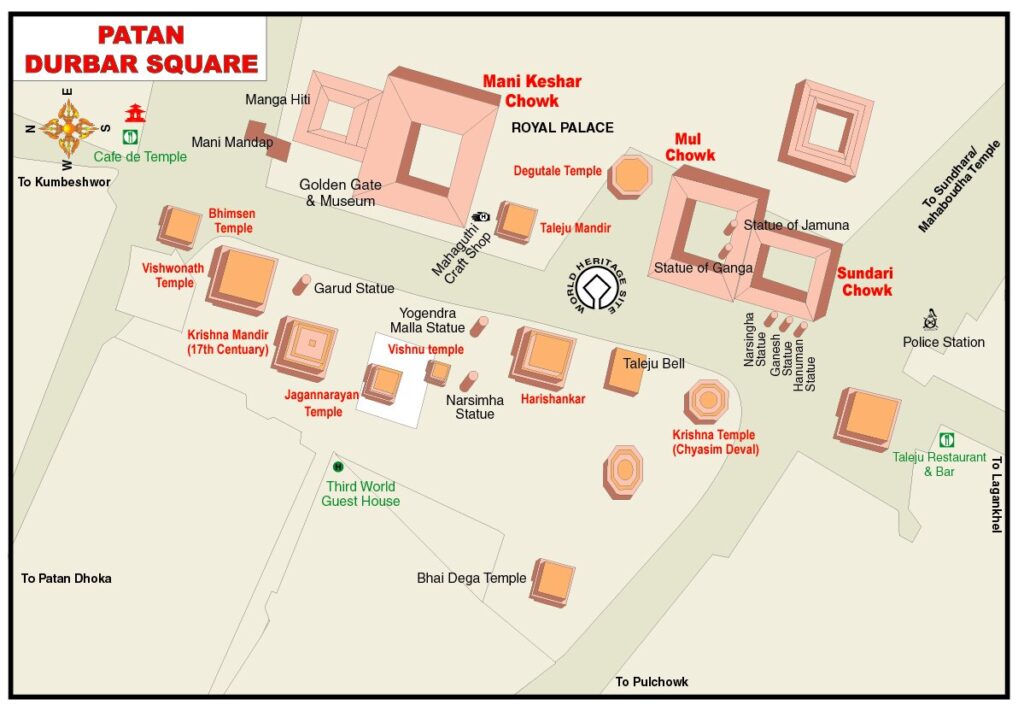
Heritage sites map of Patan Durbar Square
MAJOR TOURIST ATTRACTION PLACES:
1. Patan Durbar Square
The centerpiece of Patan and a UNESCO World Heritage Site, this square is known for its stunning Newari architecture.
Key attractions include:
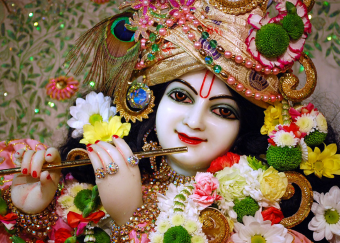
- Krishna Mandir: A stone temple dedicated to Lord Krishna, built in the Shikhara style.
- Patan Museum: Showcasing traditional Nepali art and artifacts.
- Taleju Bhawani Temple: Dedicated to the goddess Taleju.
2. Golden Temple (Hiranya Varna Mahavihar)
- An ancient Buddhist monastery adorned with intricate golden carvings.
- Known for its exquisite artwork and historical significance.
3. Kumbheshwar Temple
- One of the oldest temples in Patan, dedicated to Lord Shiva.
- Famous for its five-story pagoda-style architecture and a natural spring believed to originate from Gosainkunda Lake.
4. Bangalamukhi Temple
- Dedicated to Goddess Banglamukhi:She is worship as one of ten mahavidyas (Powerful Hindu goddesses).
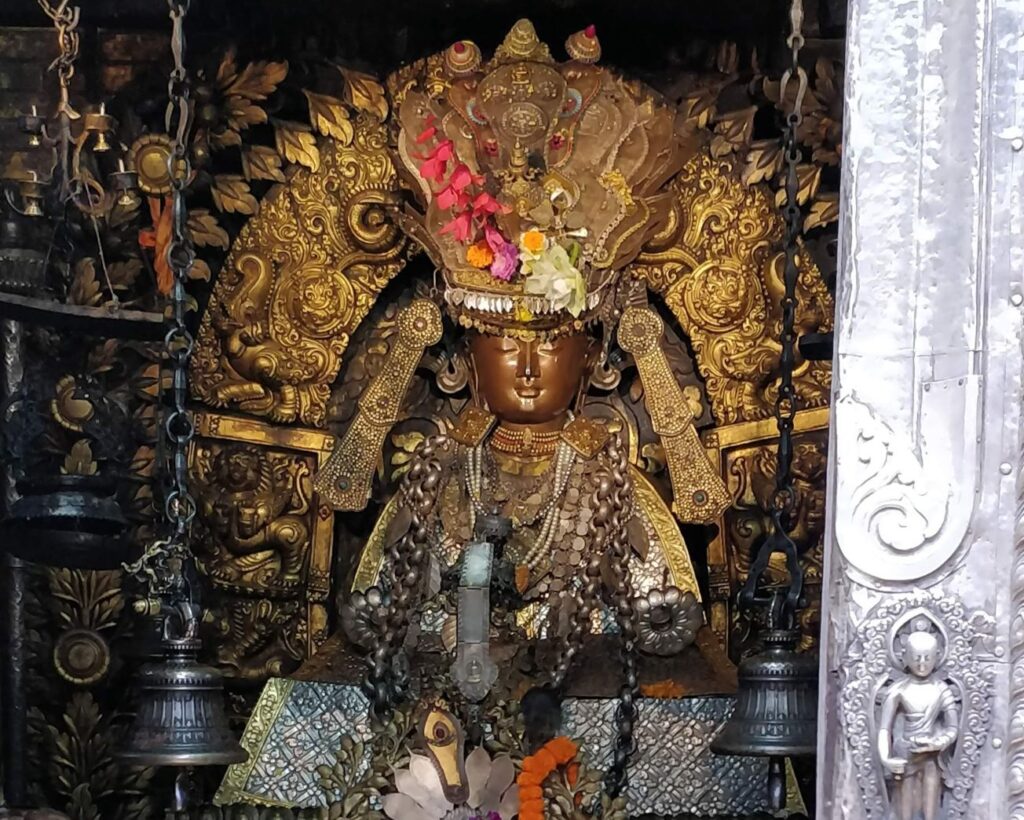
- Dedicated to the rain god, Rato Machindranath (Bunga dyo).
- The temple is associated with the famous Rato Machindranath Jatra festival.
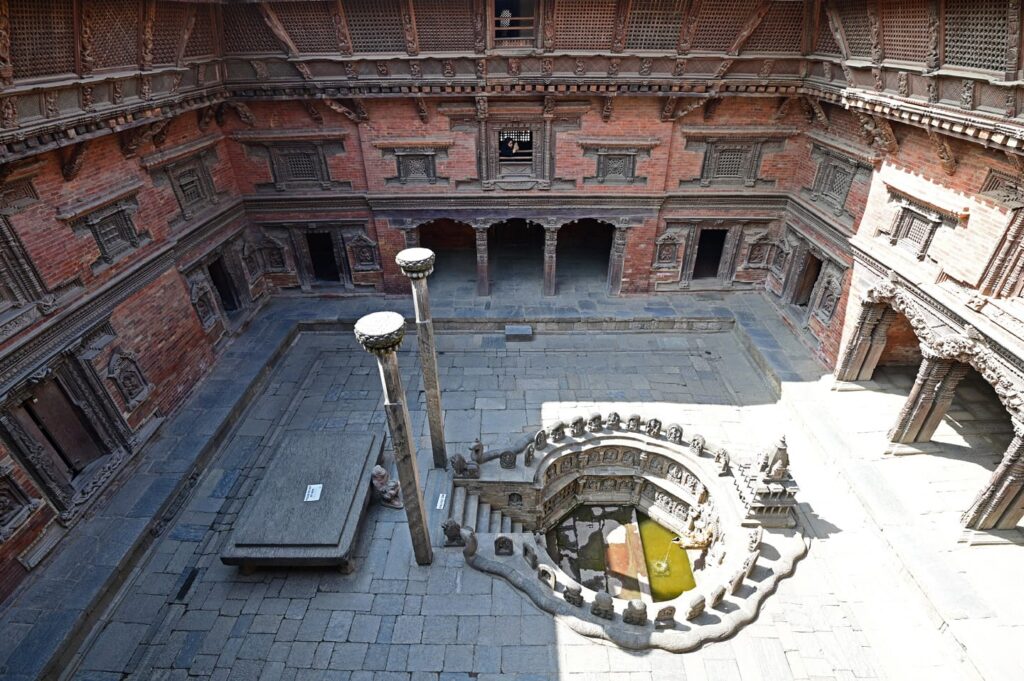
6. Sundari Chowk
- Part of the Patan Durbar complex, this courtyard is known for its intricately carved stonework and the Tusha Hiti.
7. Maha buddha Temple
- A unique Buddhist temple made entirely of terracotta tiles, each depicting an image of Buddha.
- Known as the “Temple of a Thousand Buddhas.”
8. Ashok Stupas
- Ancient Buddhist stupas believed to have been erected by Emperor Ashoka in the 3rd century BCE.
- Located at the four cardinal points of Patan and one is center at Pimbahal.
9. Mahabuddha Temple
Dedicated to Siddhartha Gautam (Lord Buddha)
Known as “temple of a thousand Buddhas” due to engraved Buddha images on every brick.
Upcoming major Festival
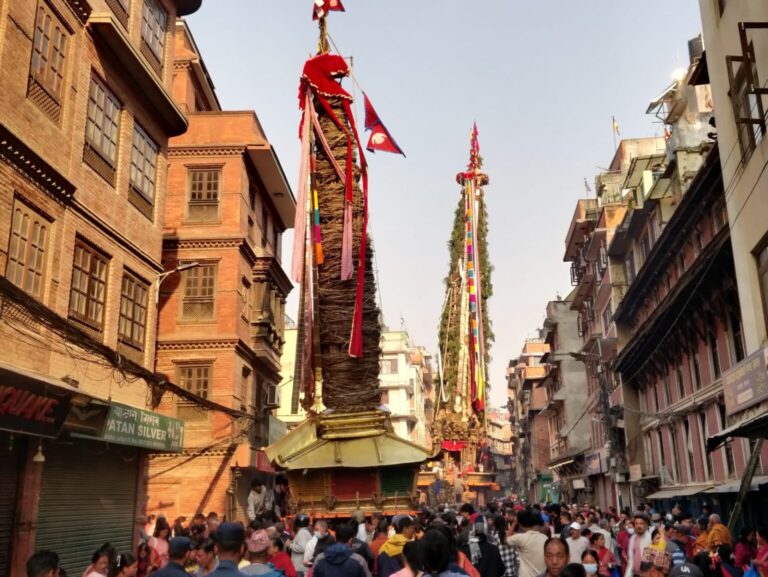
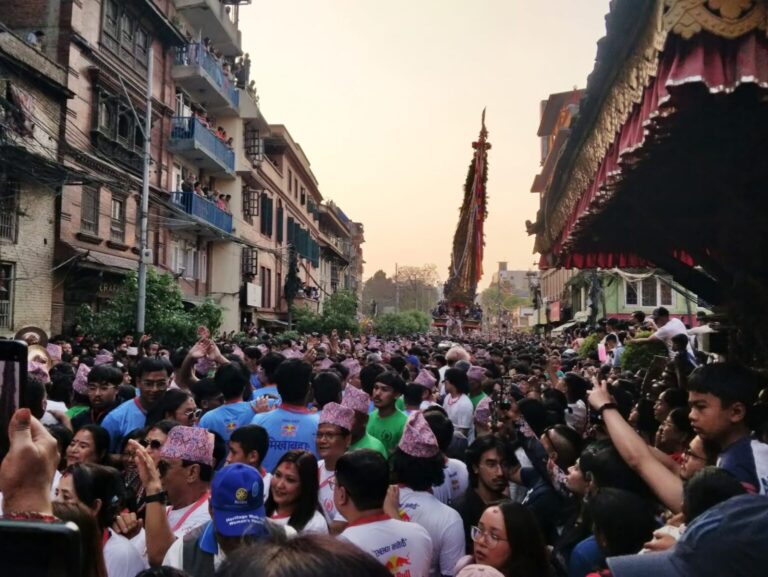
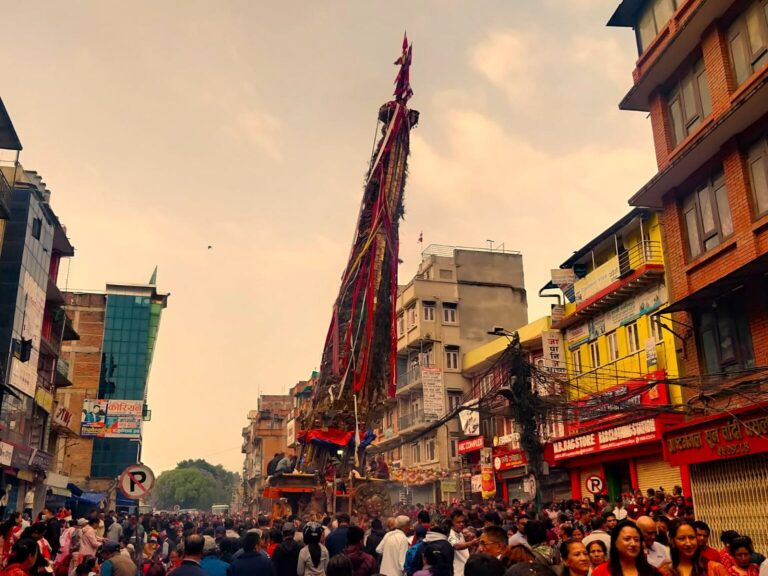
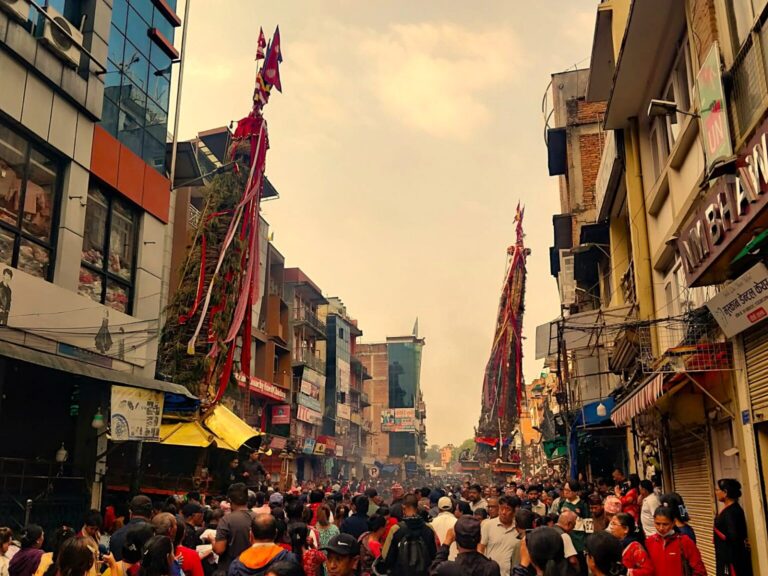
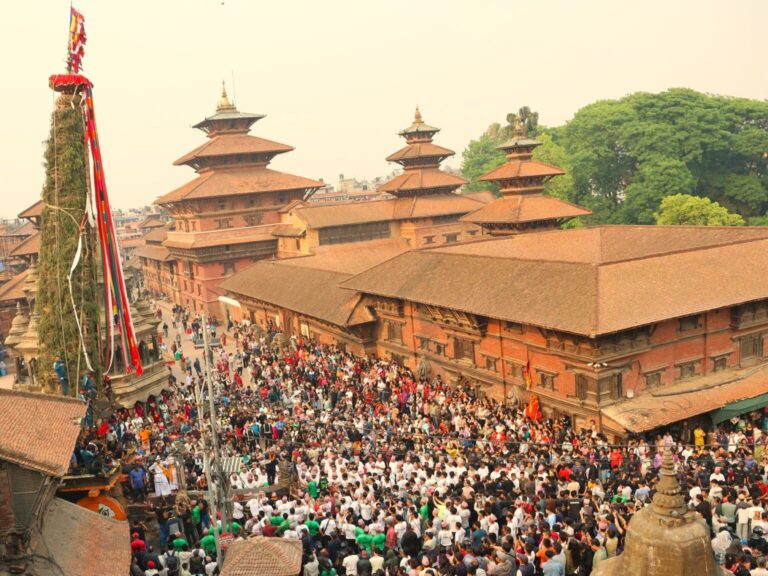
Machindranath Festival on April 21
The Vibrant Rato Machindranath Chariot Festival of Patan
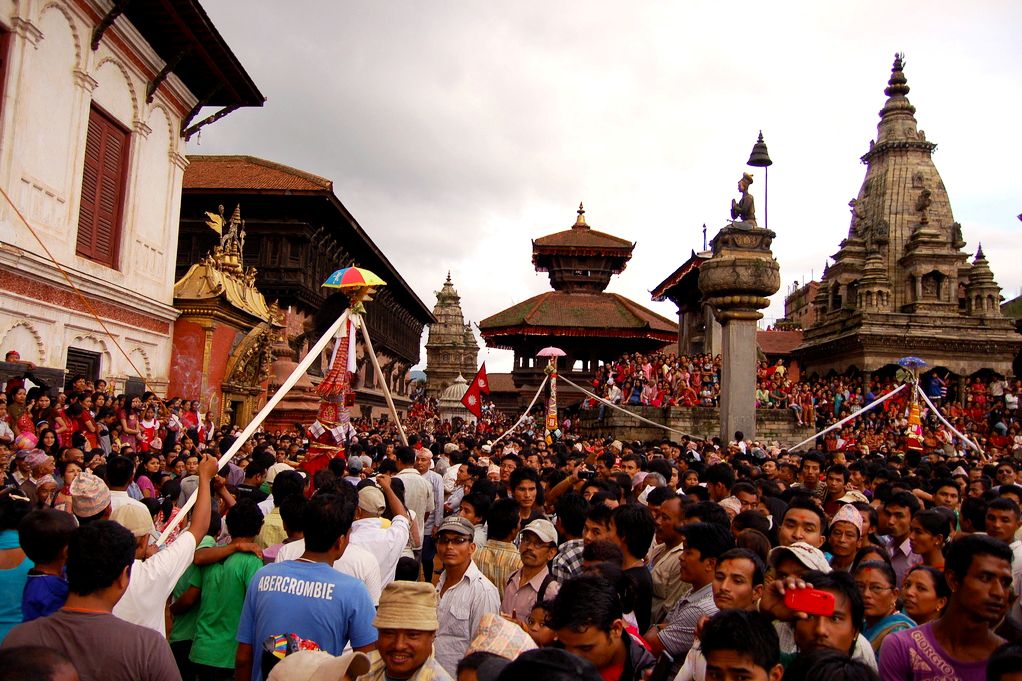
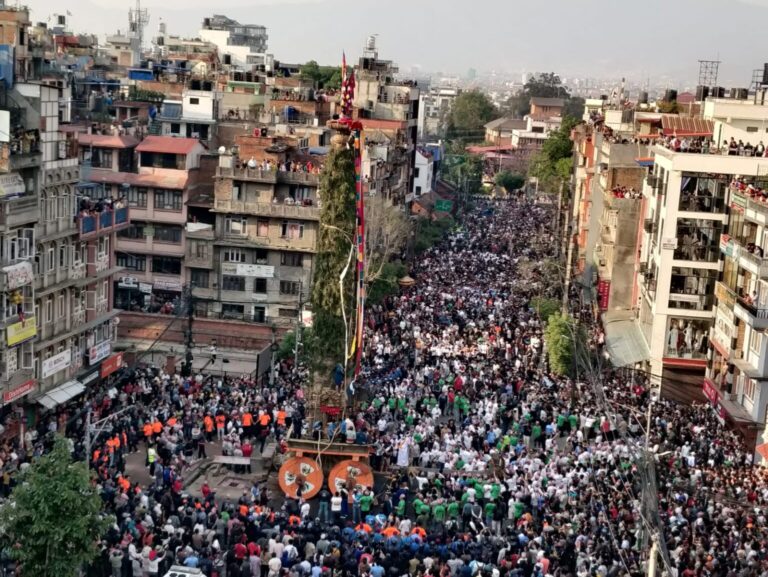
The Rato Machindranath Jatra, also called Bunga Dyah Jatra (festival), is one of the oldest and most lively festivals in Nepal. It is celebrated every year in Lalitpur (Patan) and lasts for about a month. During the festival, a large wooden chariot carrying the image of Rato Machindranath is pulled through different parts of the city by devotees. Rato Machindranath is worshipped by both Hindus and Buddhists as the god of rain and compassion. The festival is especially important for the Newar community and reflects Nepal’s deep connection with agriculture, as people pray for good rainfall and a successful farming season. The celebration also brings communities together and showcases the rich cultural traditions of Patan.
Buddha Jayanti on May 1
Buddha Jayanti (Buddha Purnima) in Nepal
Buddha Jayanti is one of the most sacred and vibrant festivals in Nepal, celebrating the birth, enlightenment, and passing away (Mahaparinirvana) of Siddhartha Gautama. It falls on the full moon day of the Nepali month of Baisakh (April–May), making it a spiritually significant time for Buddhists and peace seekers around the world.
Major celebrations take place at Lumbini, the birthplace of Buddha, where thousands of pilgrims gather for prayers, meditation, and rituals. In the Kathmandu Valley, areas like Patan Durbar Square, Swayambhunath Stupa and Boudhanath Stupa come alive with butter lamps, chanting, and colorful processions.
Festival Greetings and Introduction Program
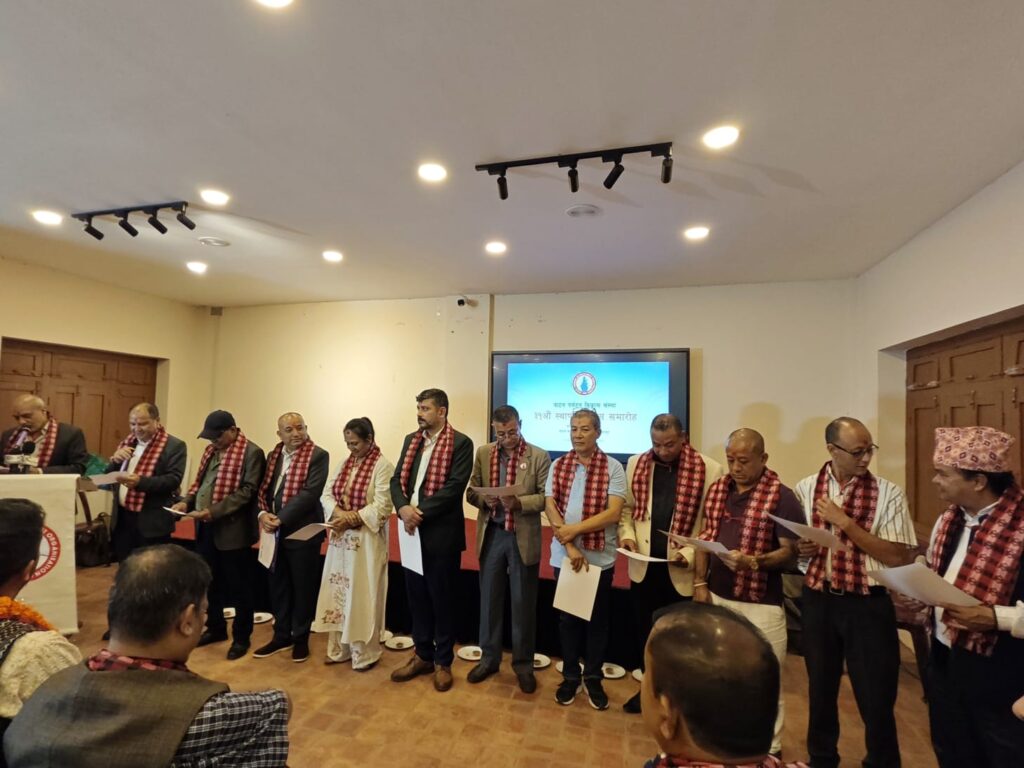
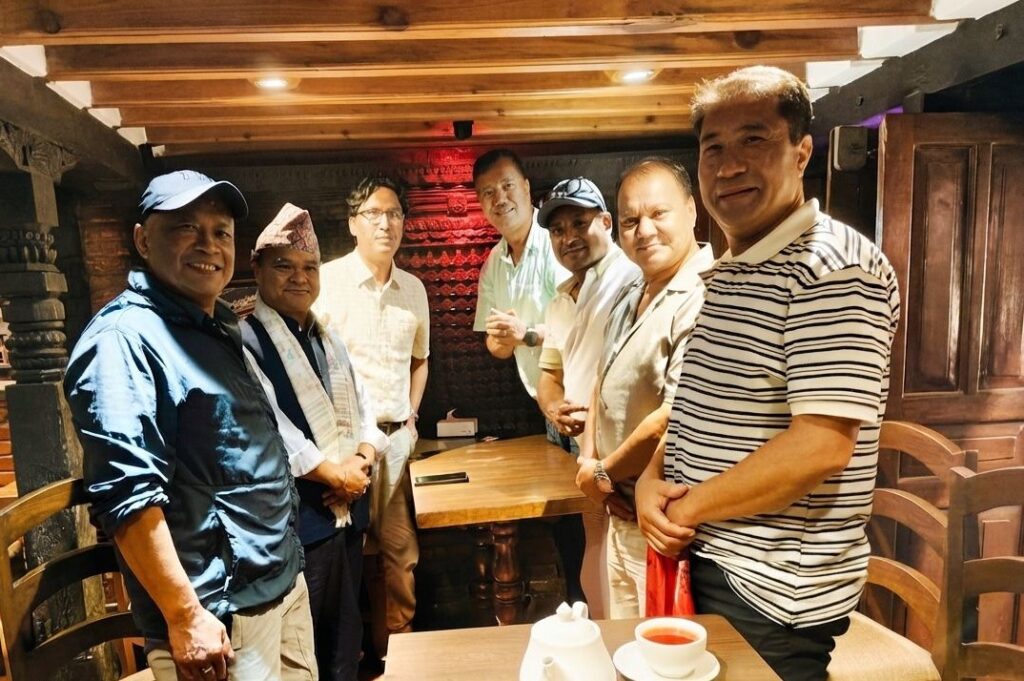
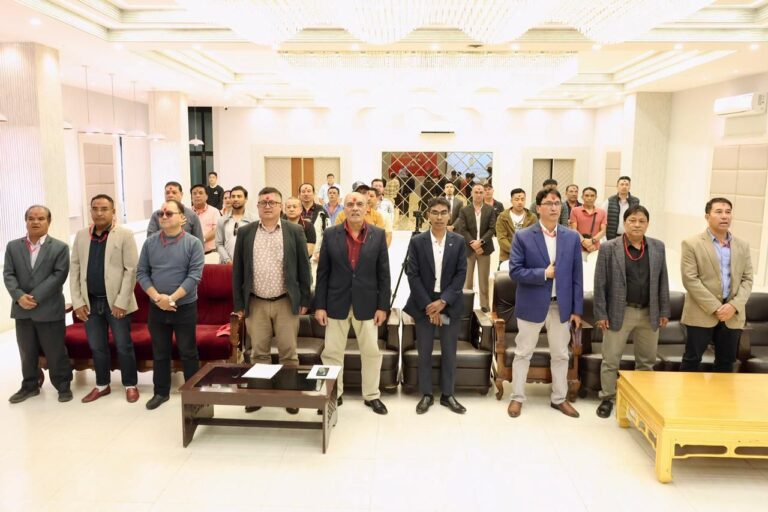
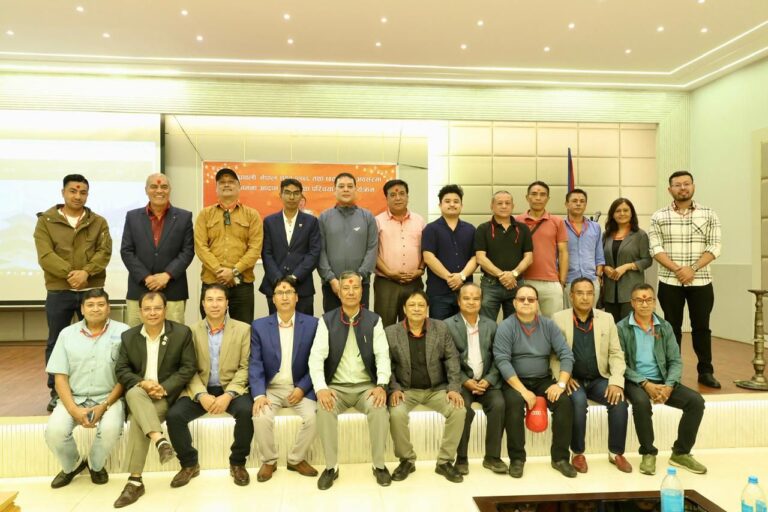
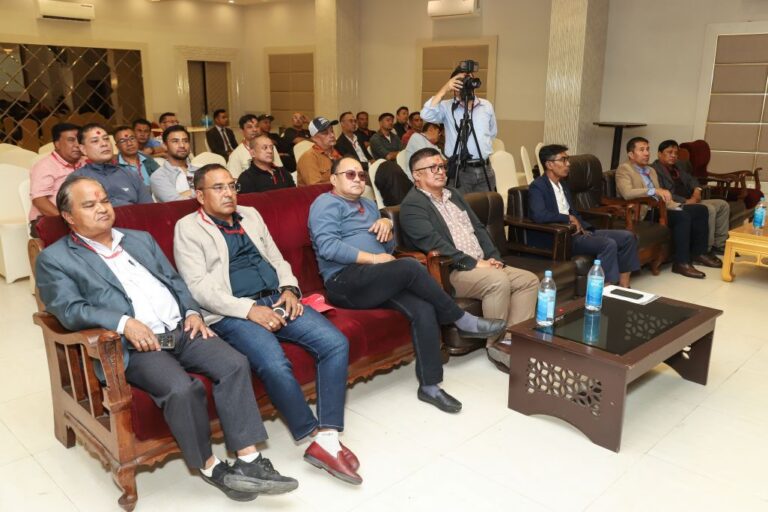
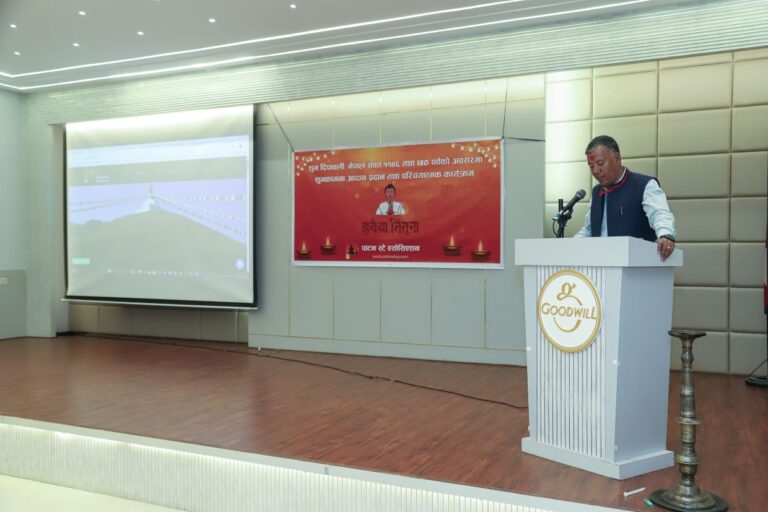
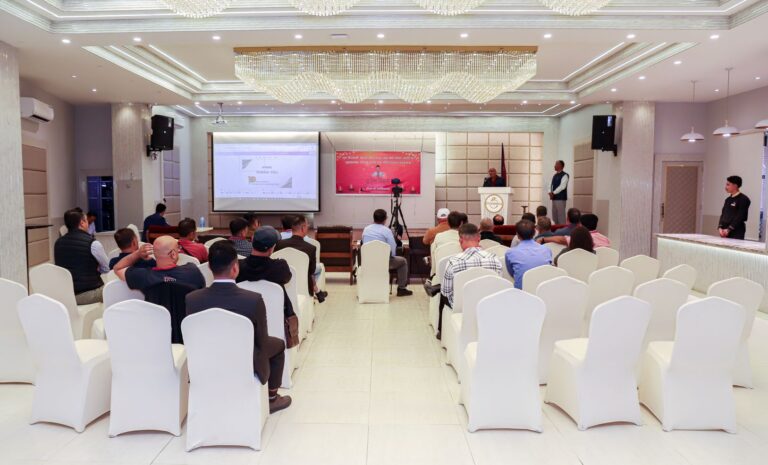
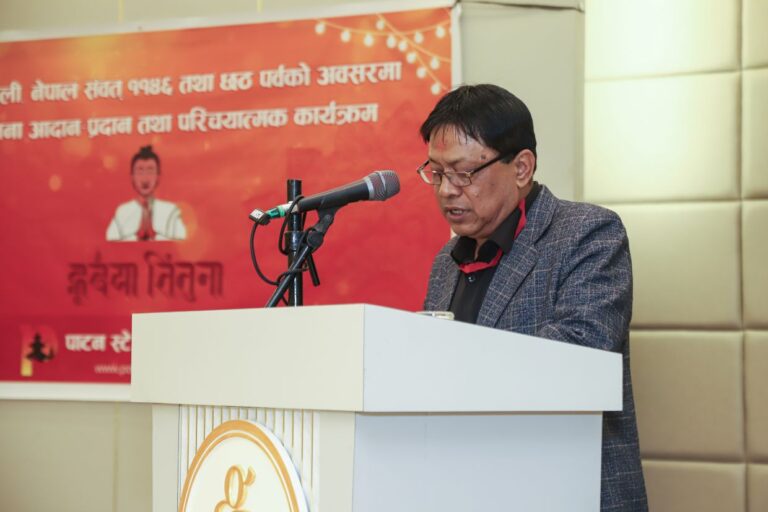
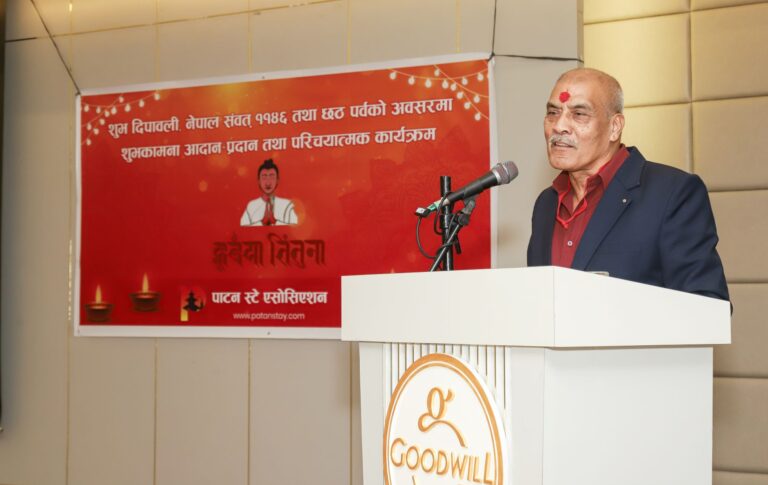
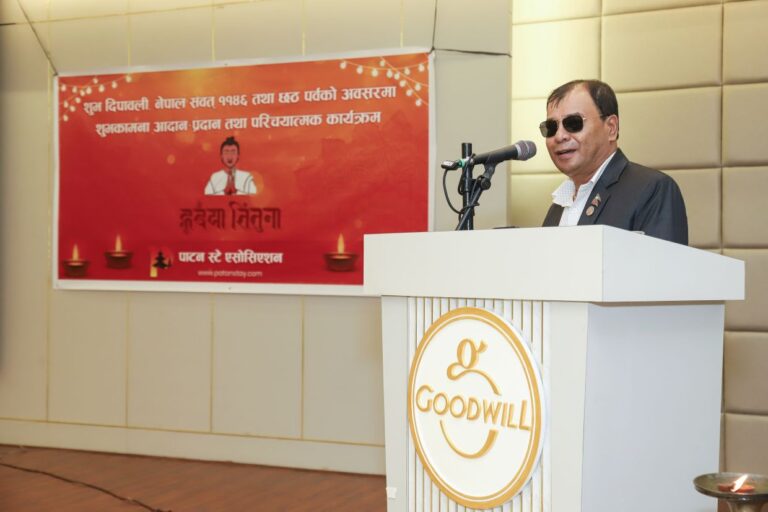
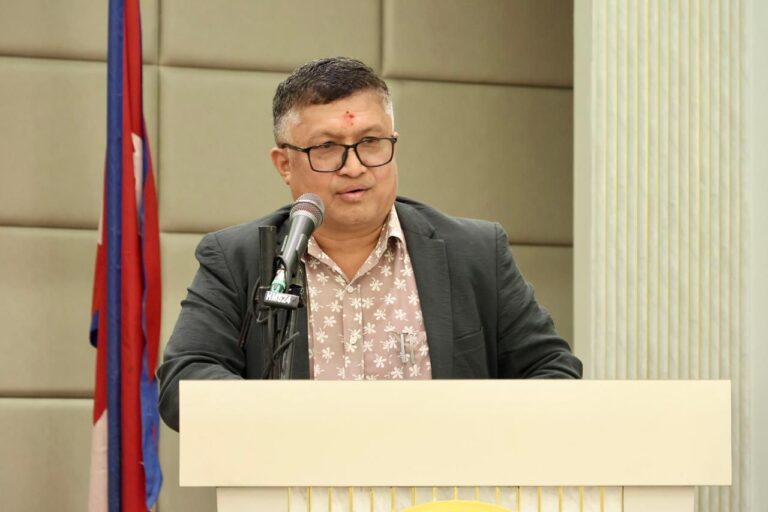
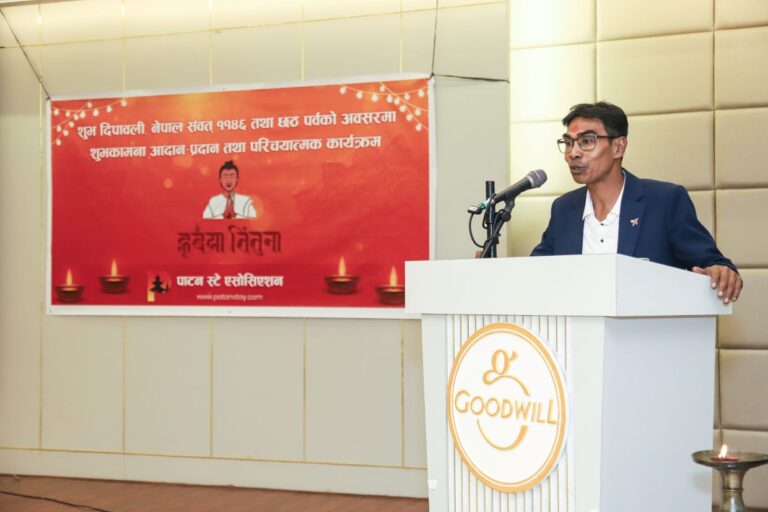
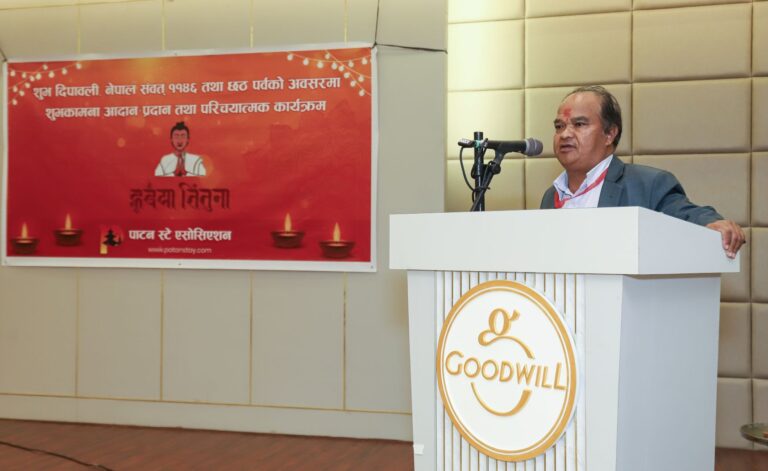
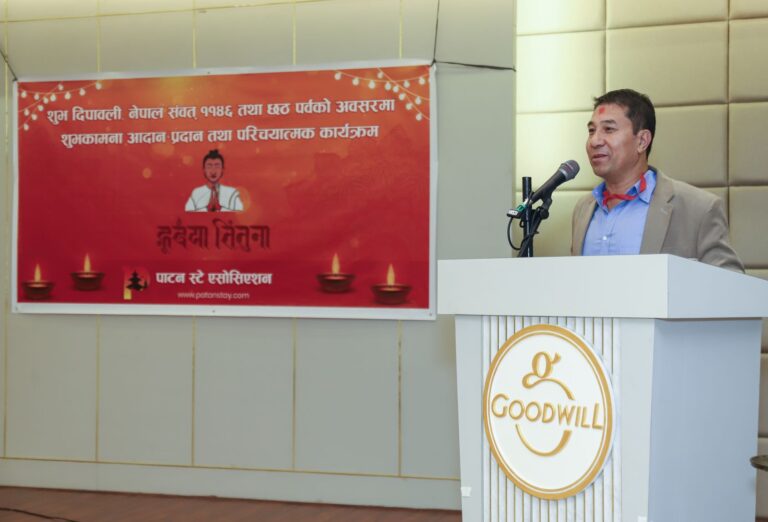
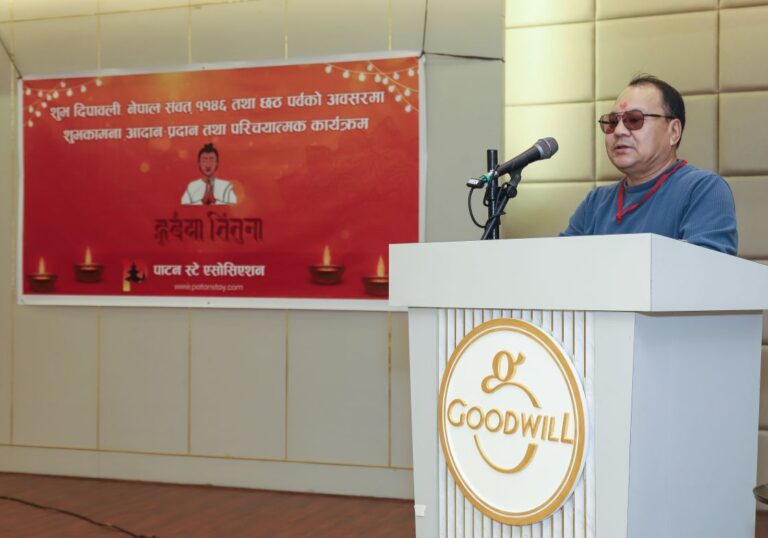
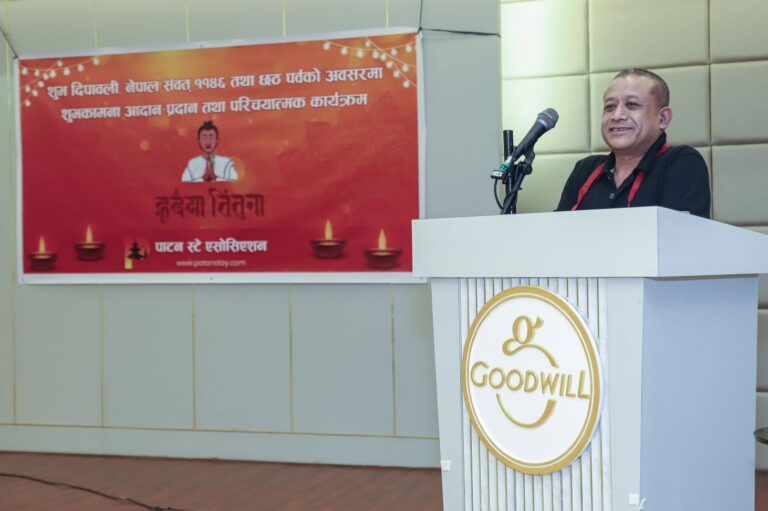
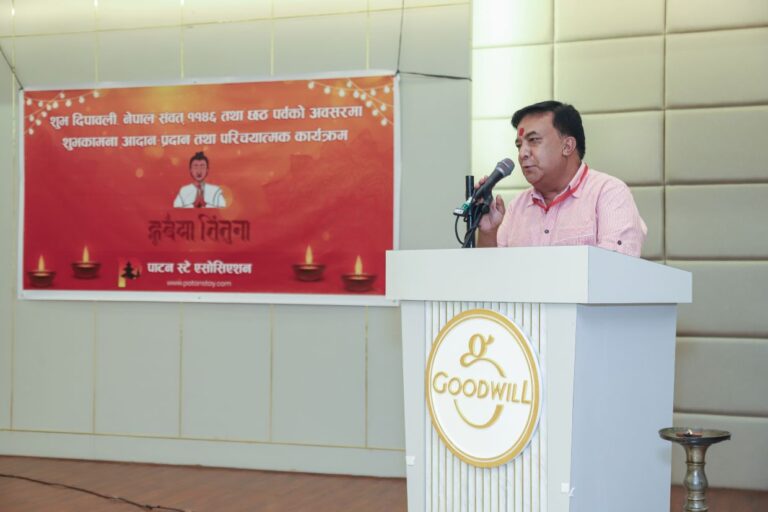
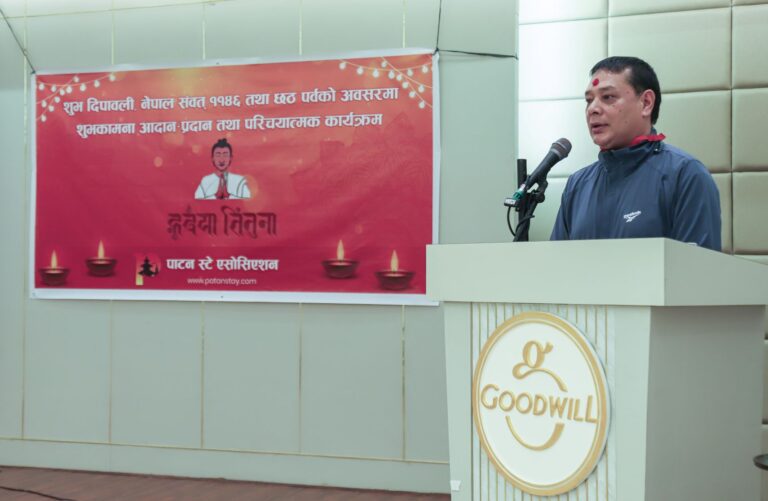
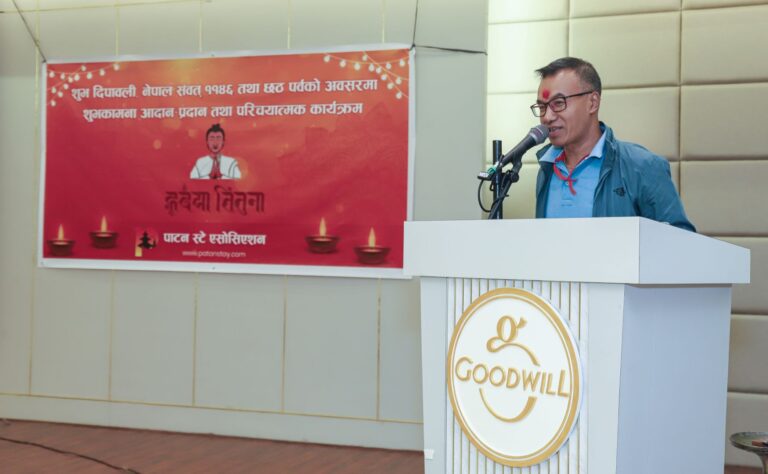
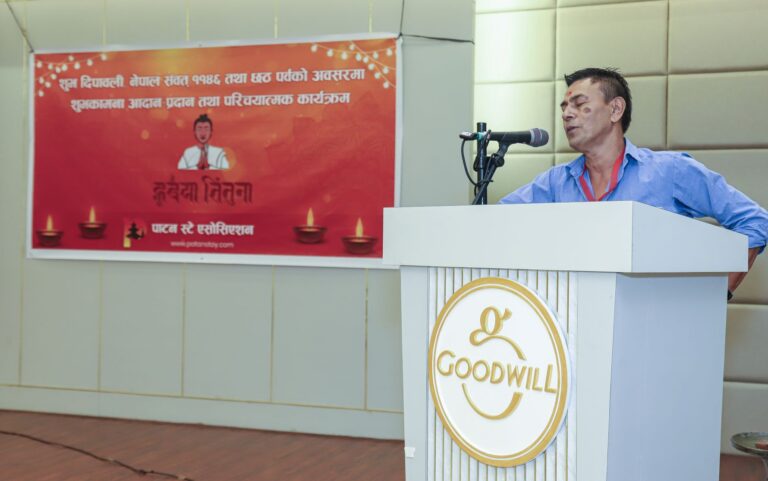
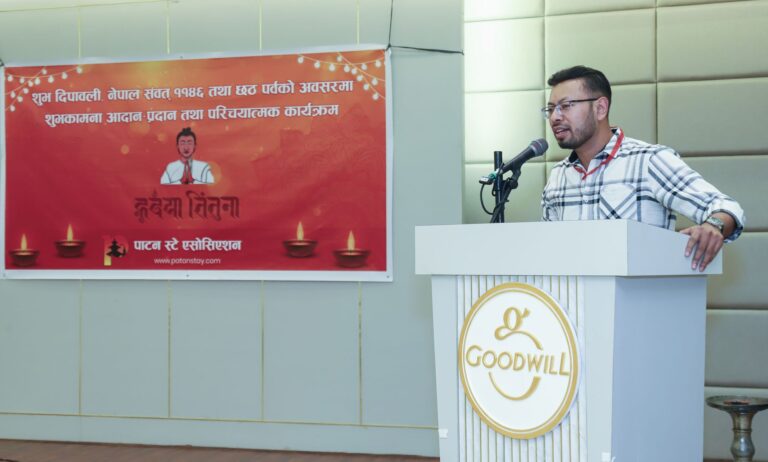
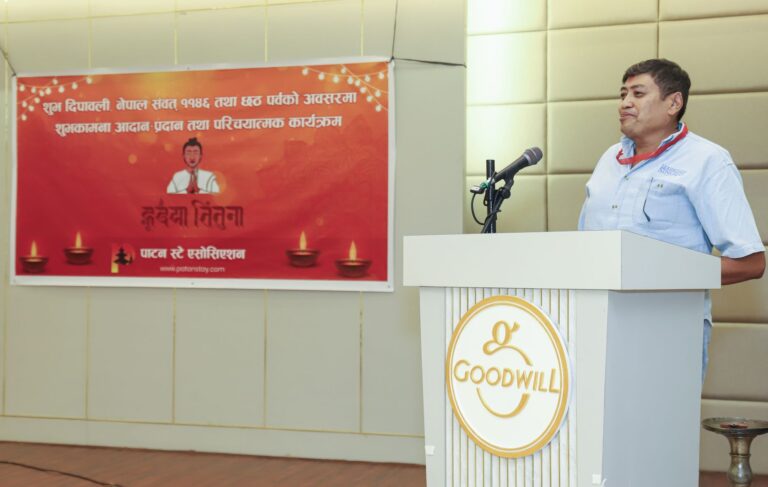
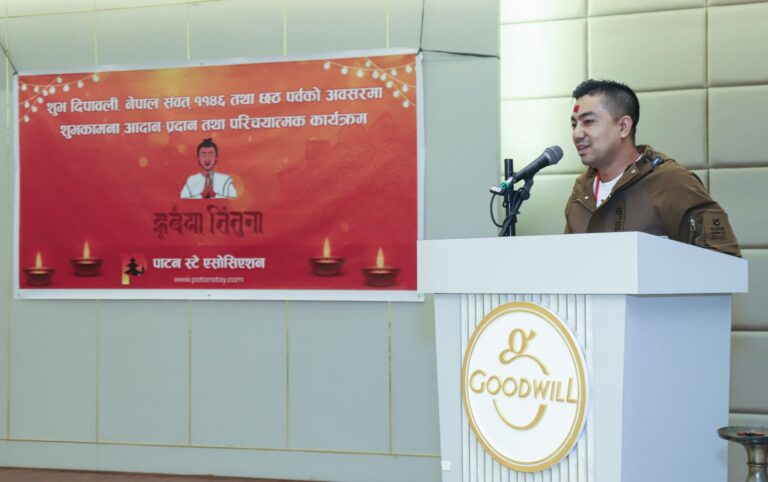
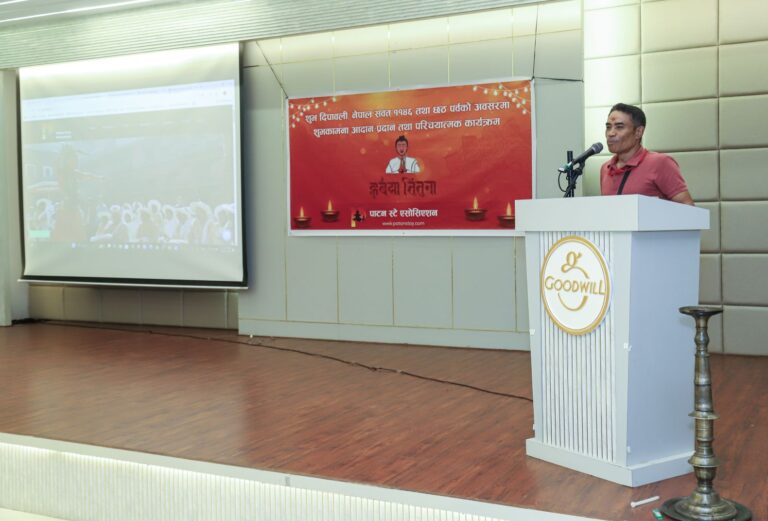
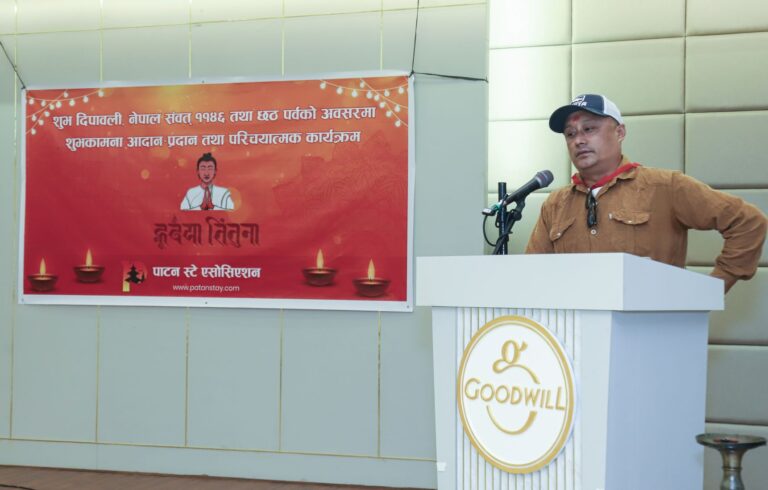
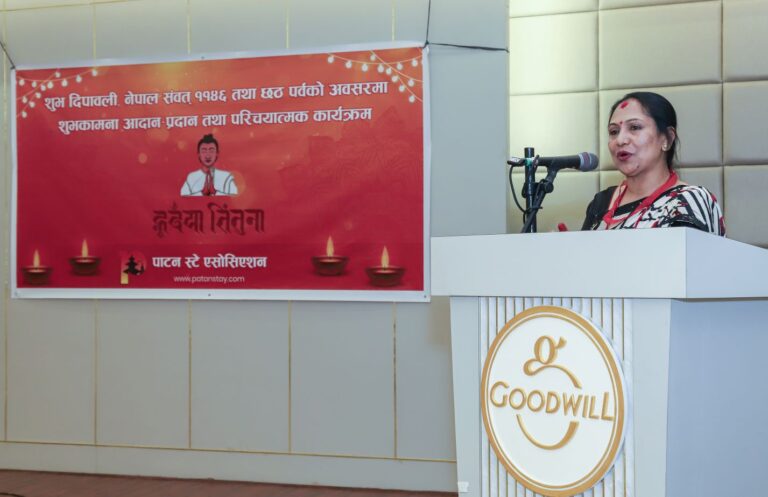
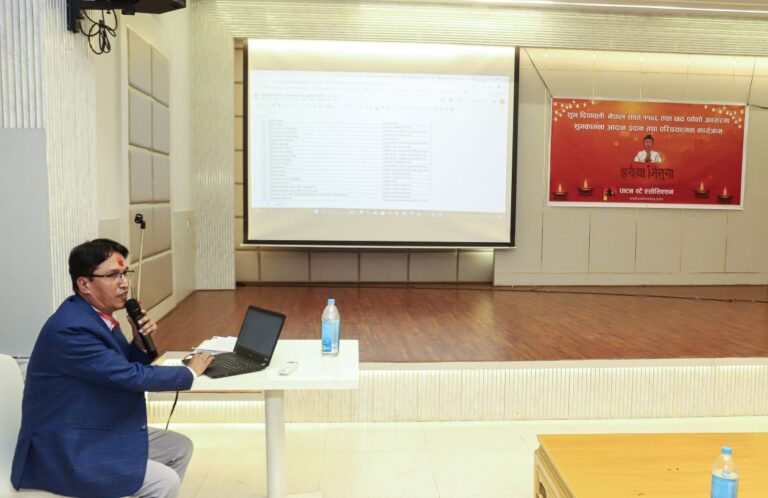
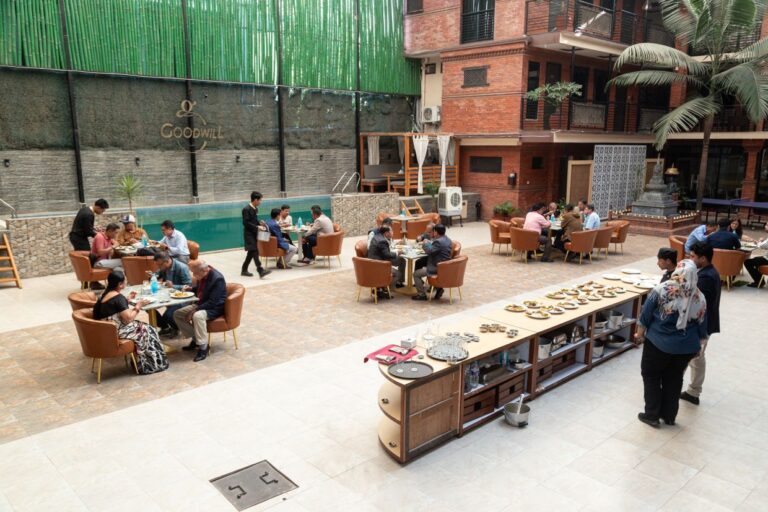
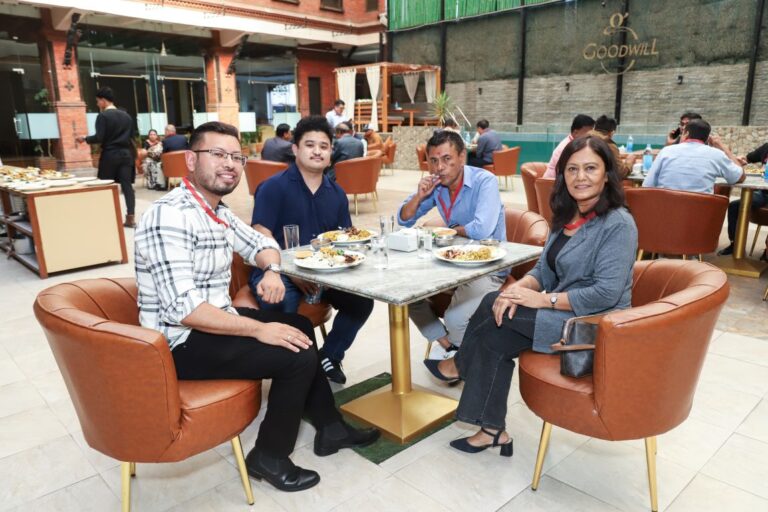
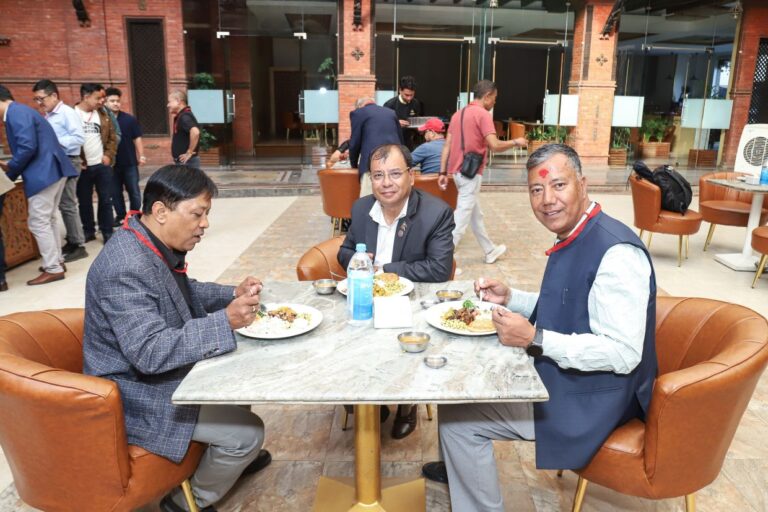
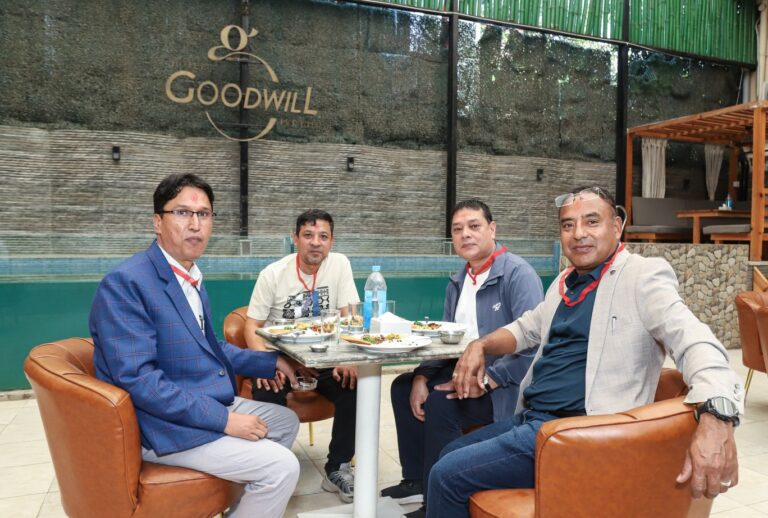
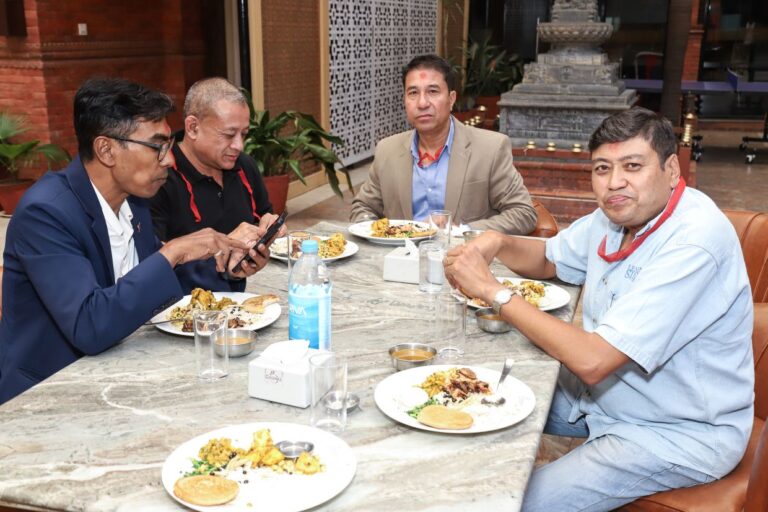
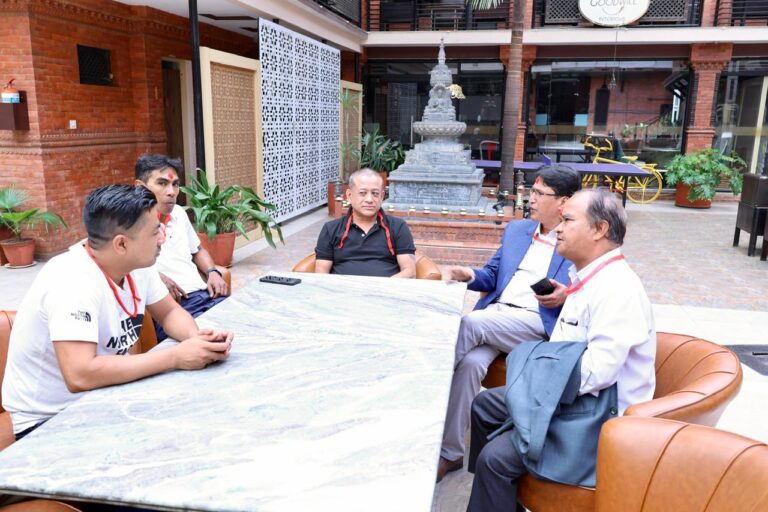
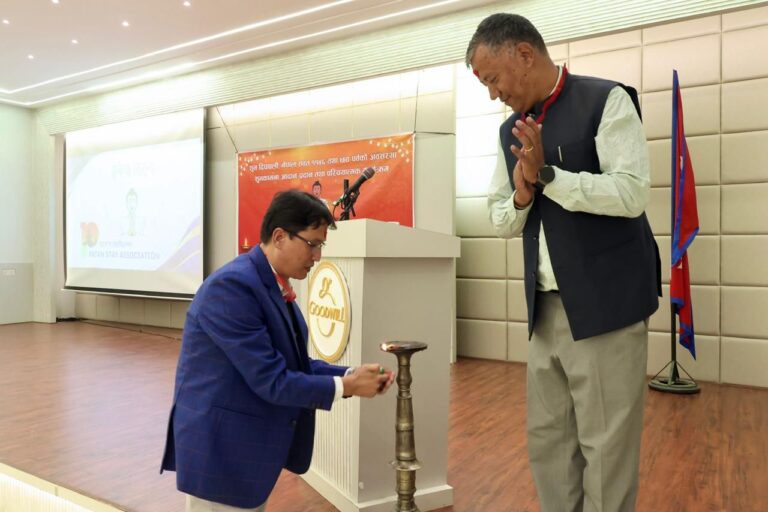
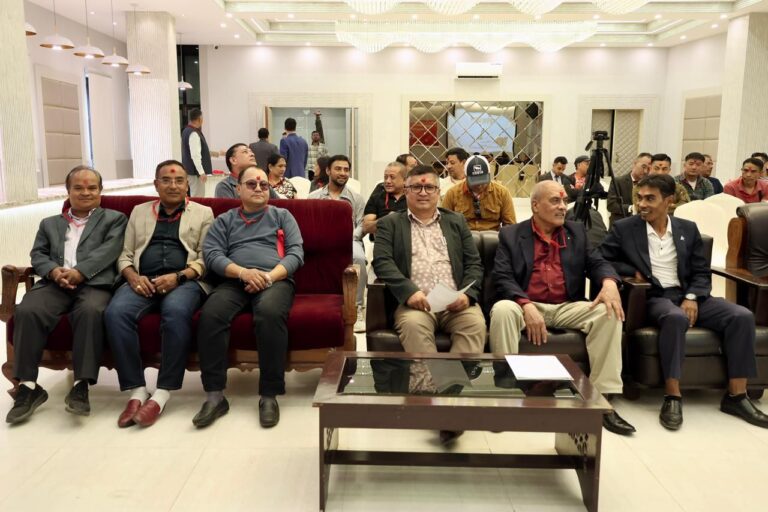
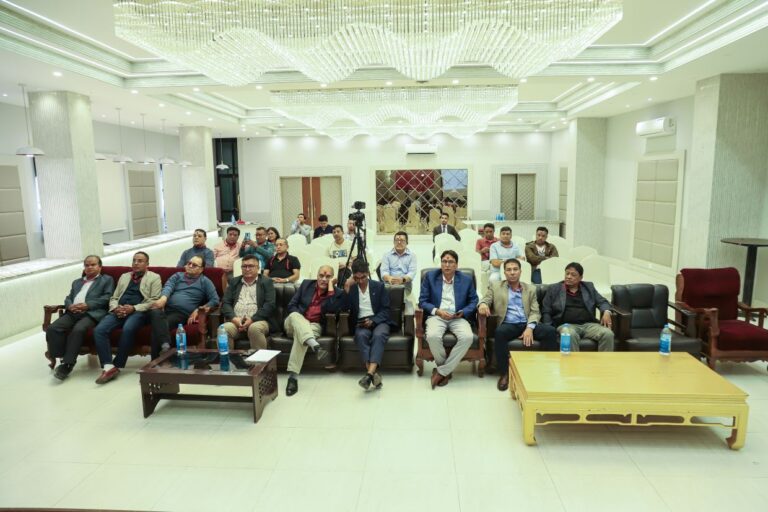
On the occasion of Happy Dipawali, Nepal Sambat 1146, and the Chhath festival, The Patan Stay Association organized a Greetings exchange and introduction program on October 16, at Hotel Goodwill, Patan.


Tourism News of Patan
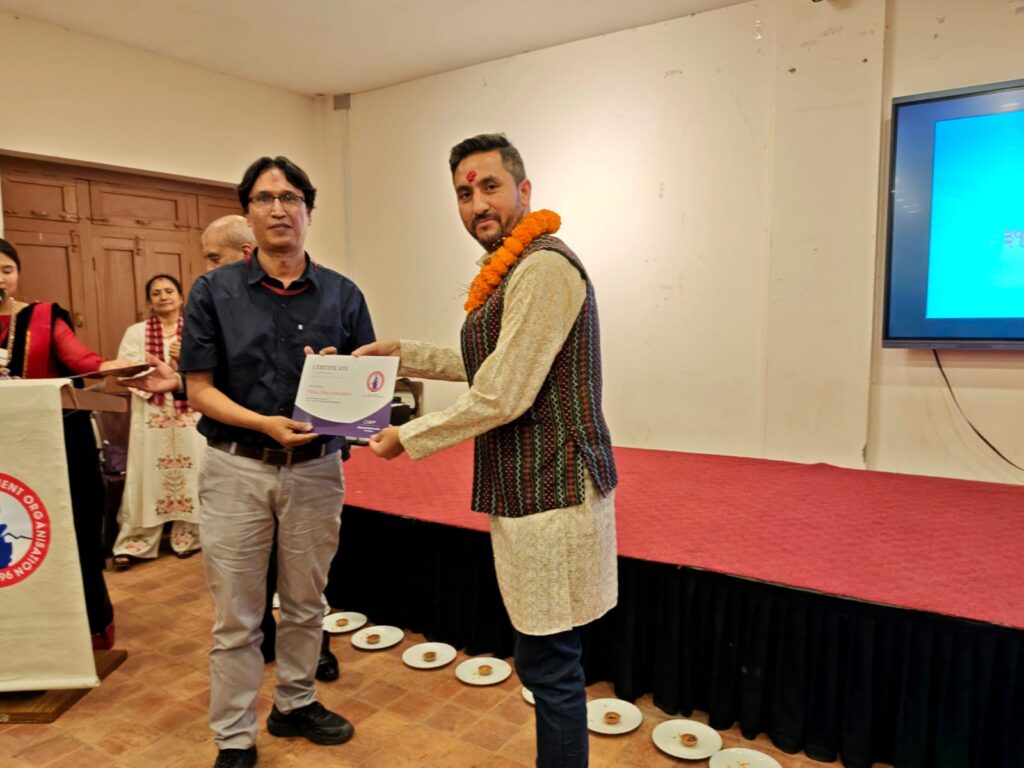
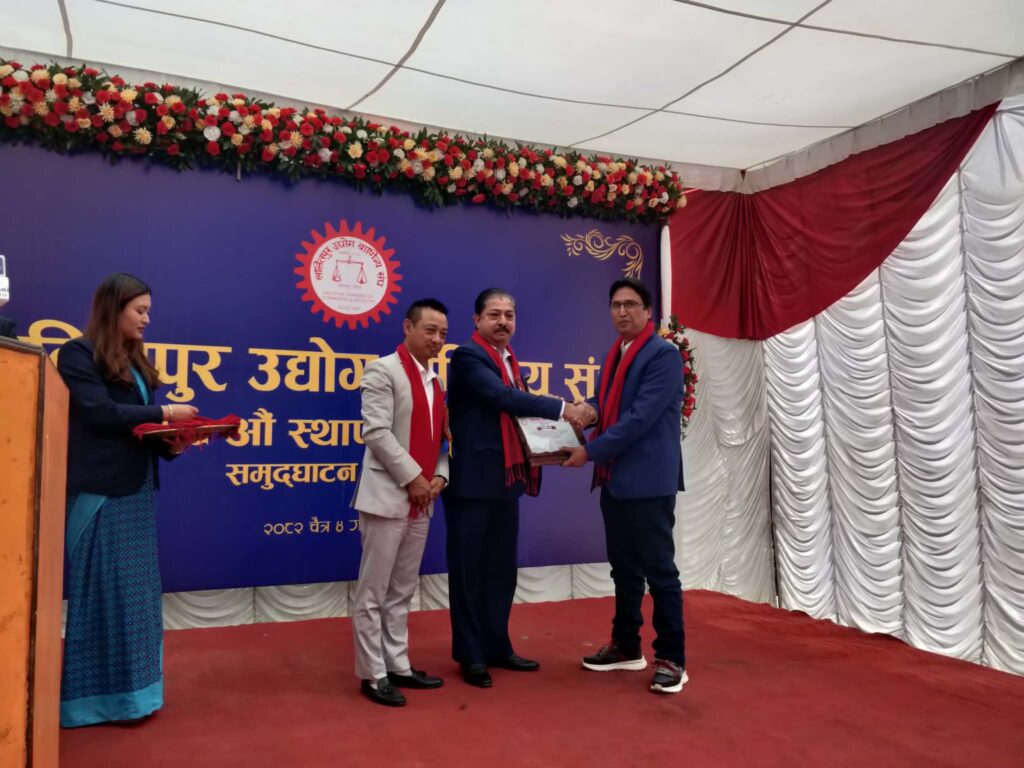
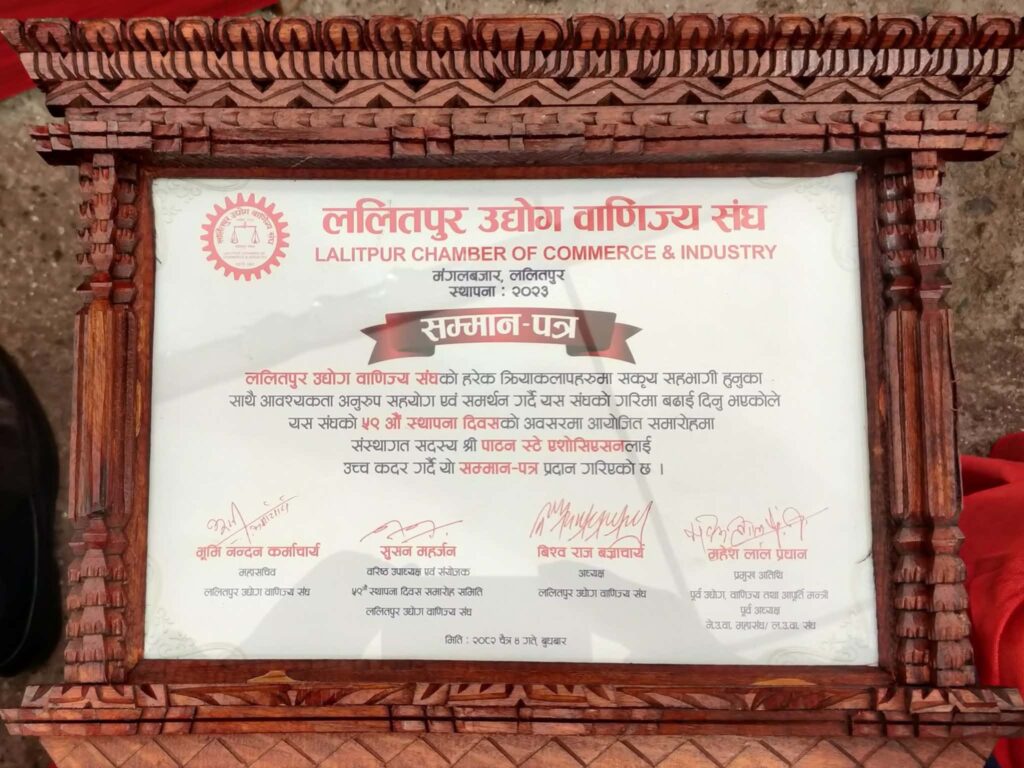
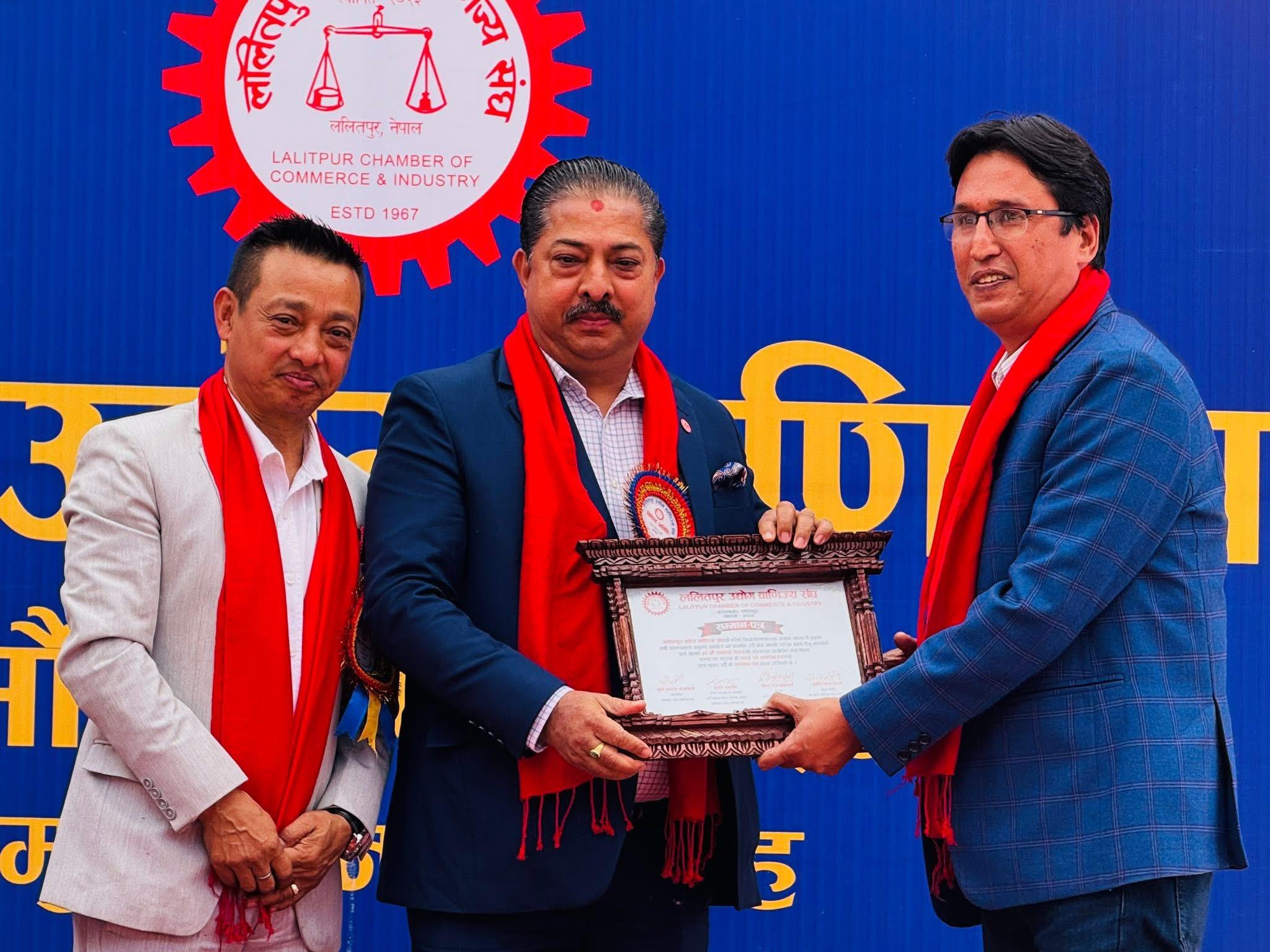
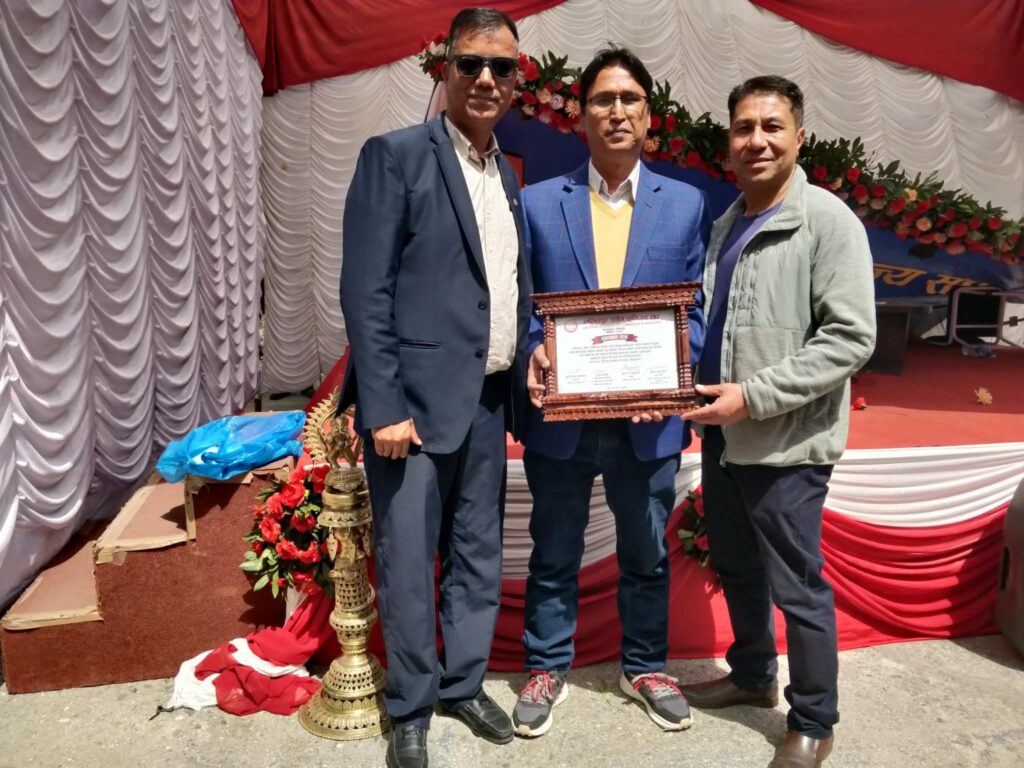
Patan Stay Association Receives Appreciation at LCCI’s 59th Anniversary
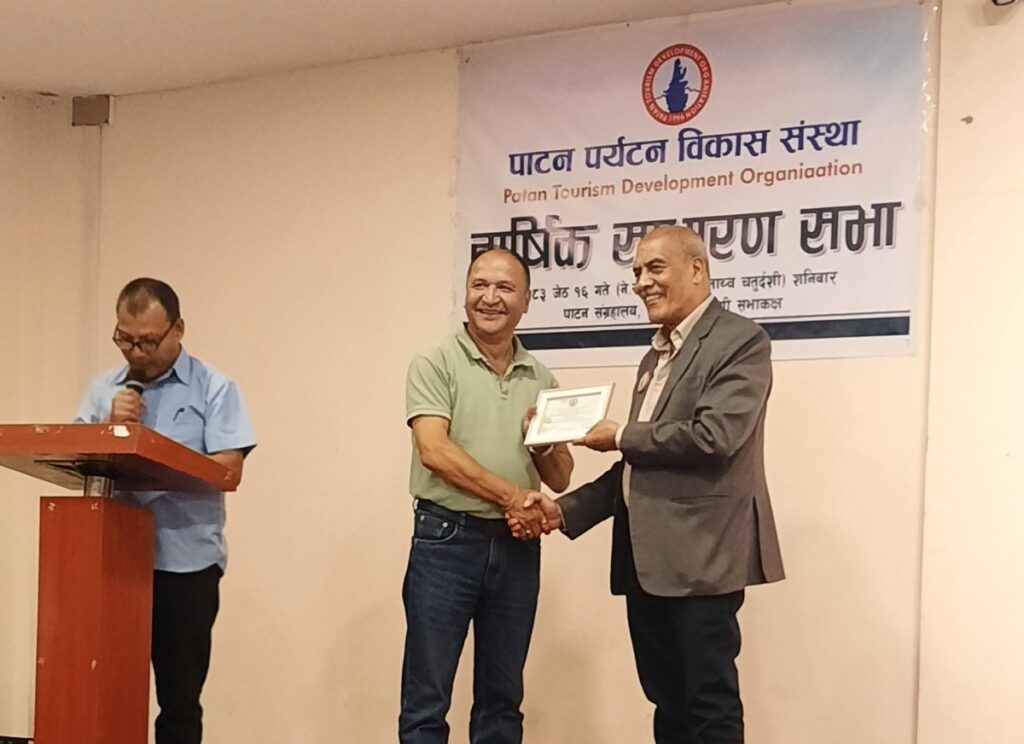
On the occasion of the 59th Anniversary of the Lalitpur Chamber of Commerce and Industry, the Patan Stay Association was honored to receive a letter of appreciation for its continued support and active participation in various programs and activities. This acknowledgment reflects the strong collaboration between the two organizations in promoting local tourism, business development and community engagement in Lalitpur.
Vision for Sustainable Tourism in Patan
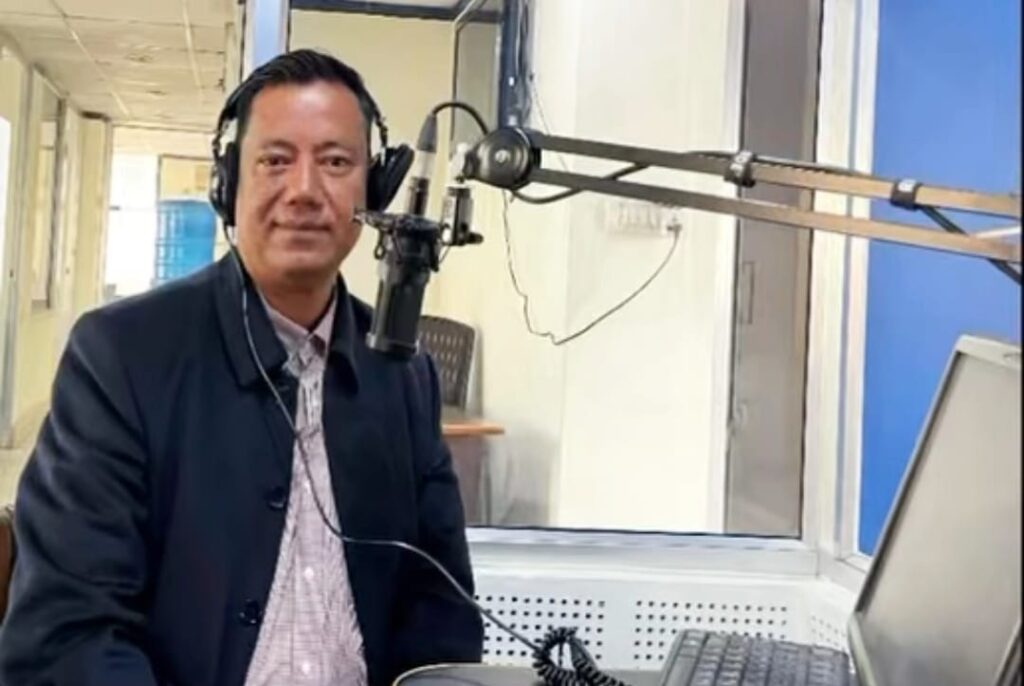
On February 2, 2026, on the Ujyalo FM Lahana program, an interview was held with Mr. Apu Lal Awale, Secretary of the Patan Stay Association. He discussed the association’s ongoing activities, the importance of preserving Patan’s rich heritage and living culture, including traditional handicrafts and how tourism can contribute to a sustainable local economy. During the program, he also answered questions from the host and listeners, sharing insights on Patan tourism, homestay experiences, surrounding tourism spots of Patan and the role of community-based tourism in benefiting local communities.
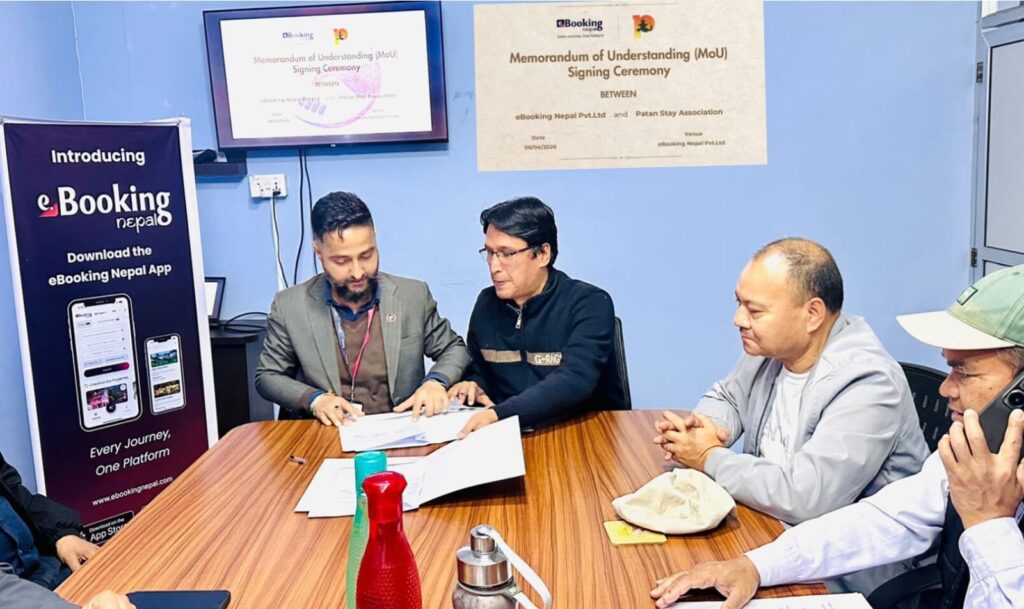
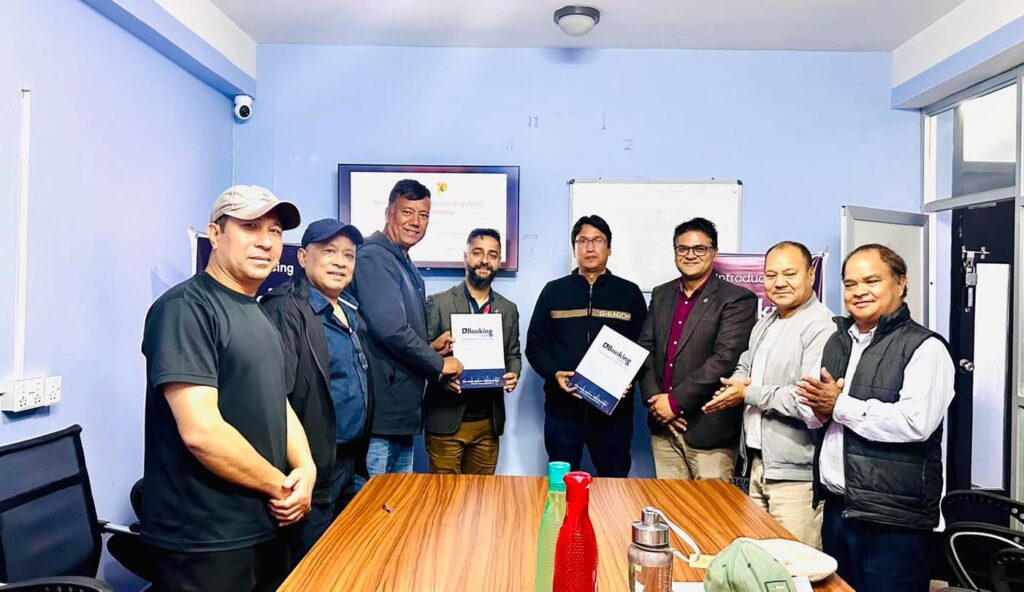
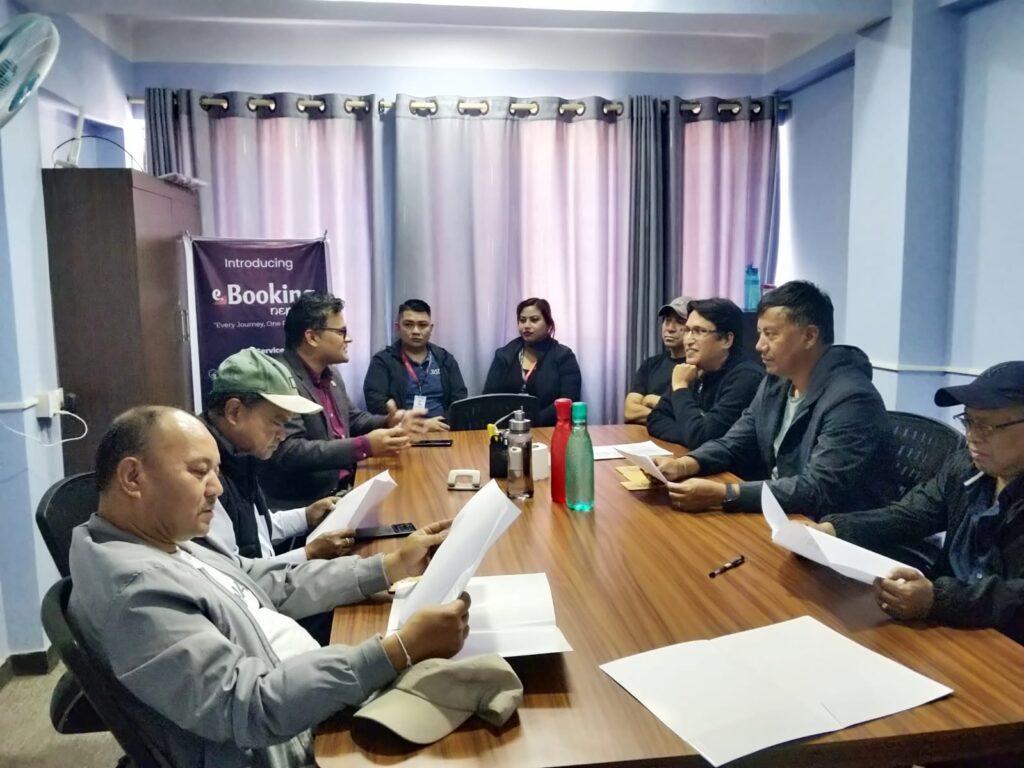
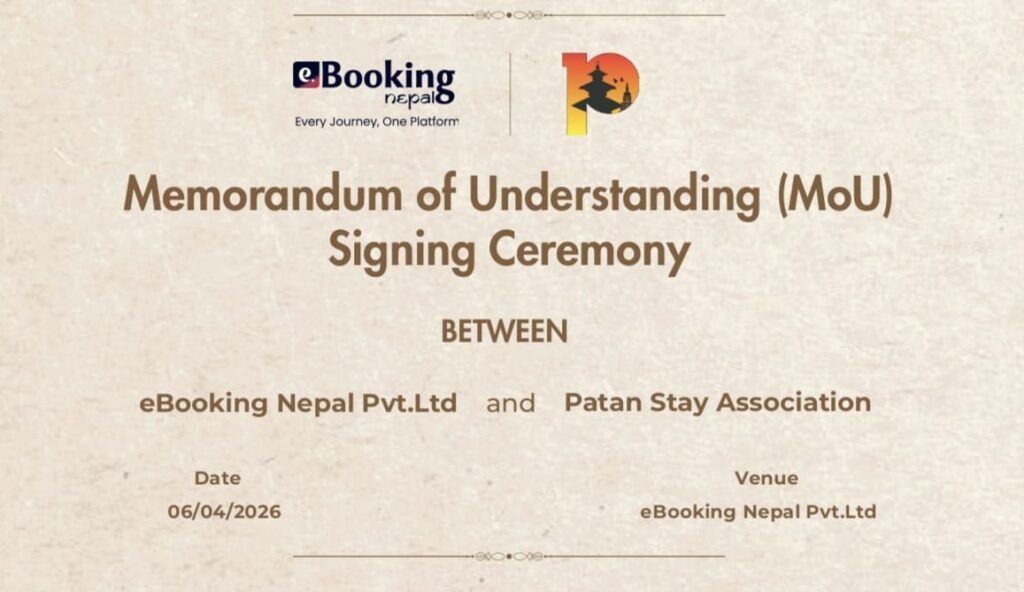
MoU Signing with eBooking Nepal and Patan Stay Association
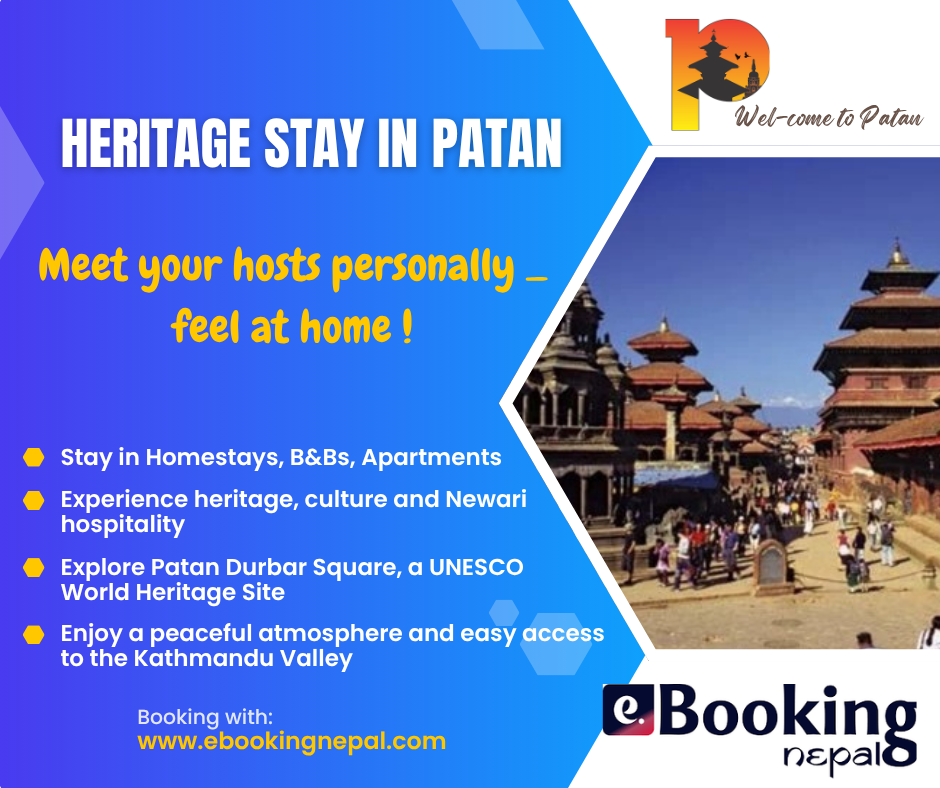
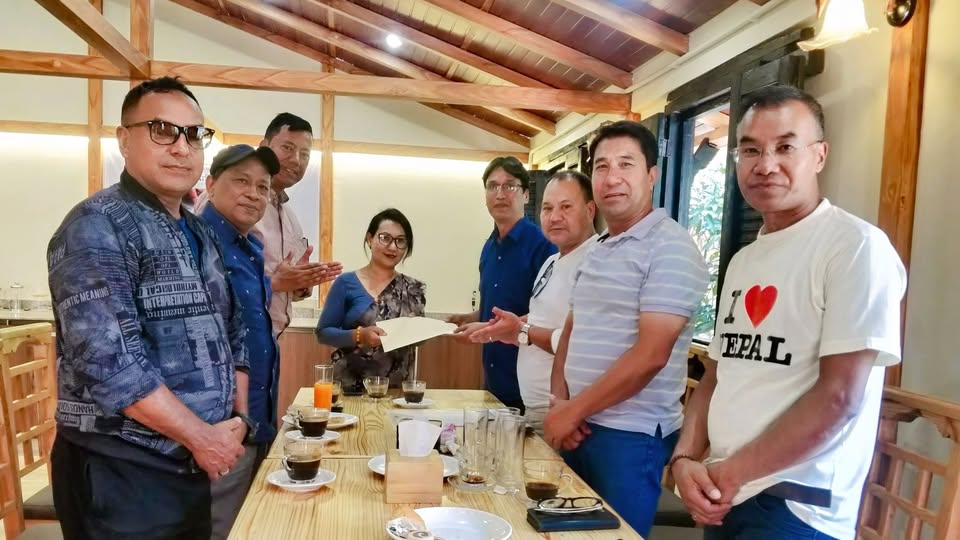
eBooking Nepal Pvt. Ltd. and the Patan Stay Association have signed a Memorandum of Understanding (MoU) to promote heritage tourism in Patan through a digital platform. The agreement focuses on creating a dedicated “Patan Heritage Stay” category on the eBooking Nepal platform, making it easier for both international and domestic tourists to discover and book authentic heritage accommodations. The partnership aims to support local homestays, preserve Newari culture and strengthen community-based tourism by connecting traditional hospitality with modern online booking technology.
The Memorandum of Understanding (MoU) was signed by Prakash Rajbhandary, President of the Patan Stay Association and Anil Rijal, Chief Operating Officer of eBooking Nepal Pvt. Ltd.
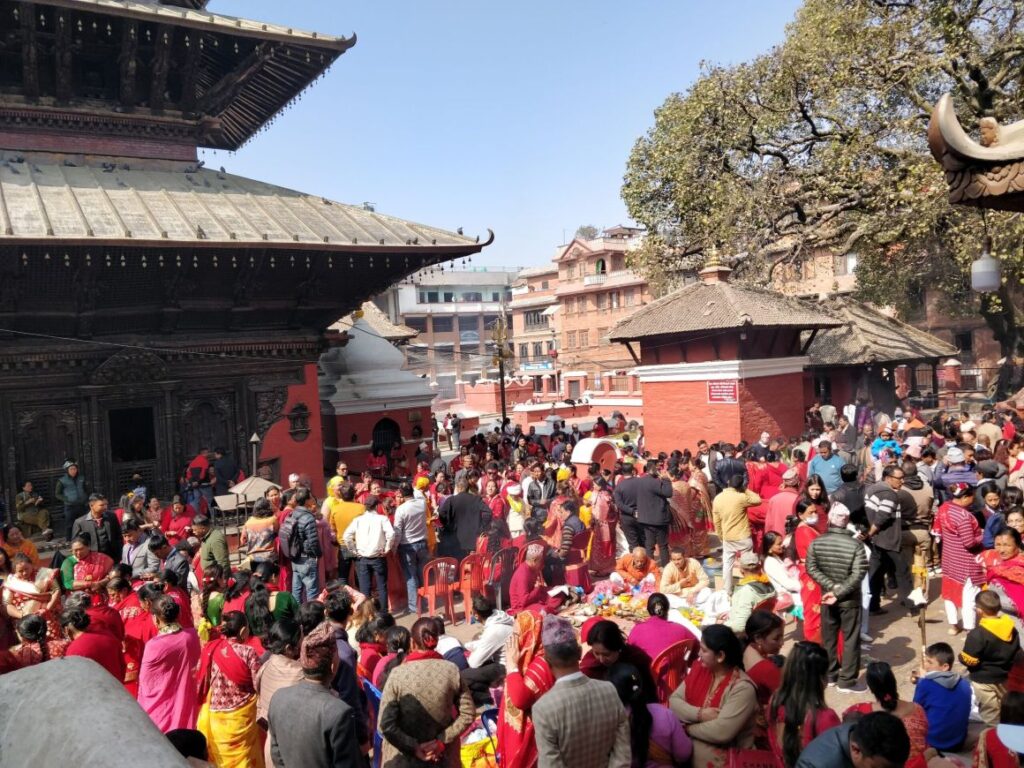
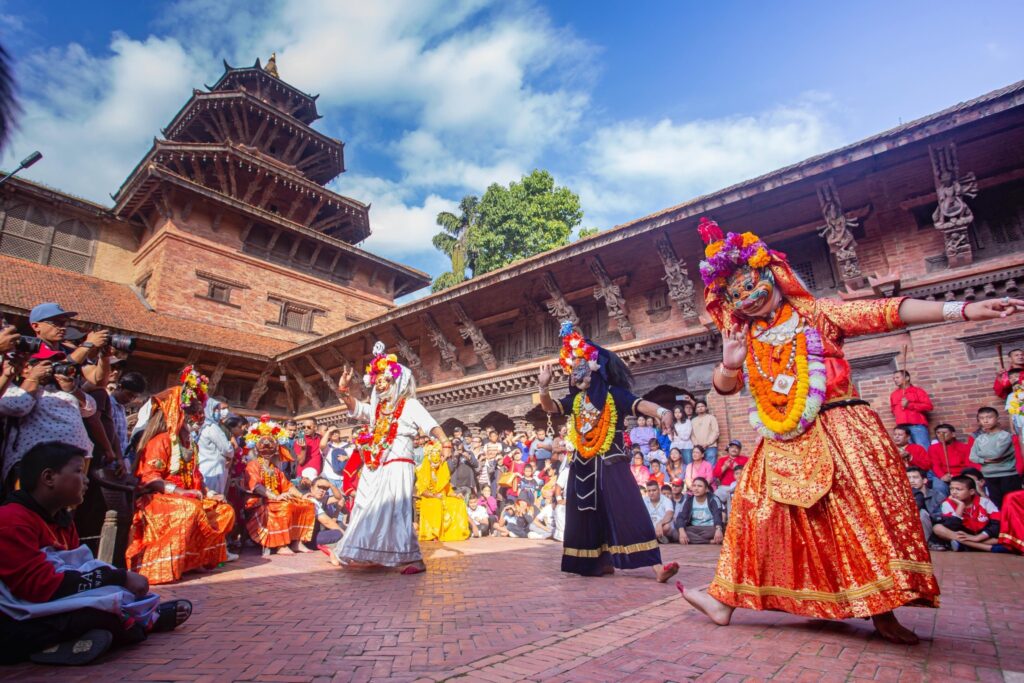
Festival Glimpses
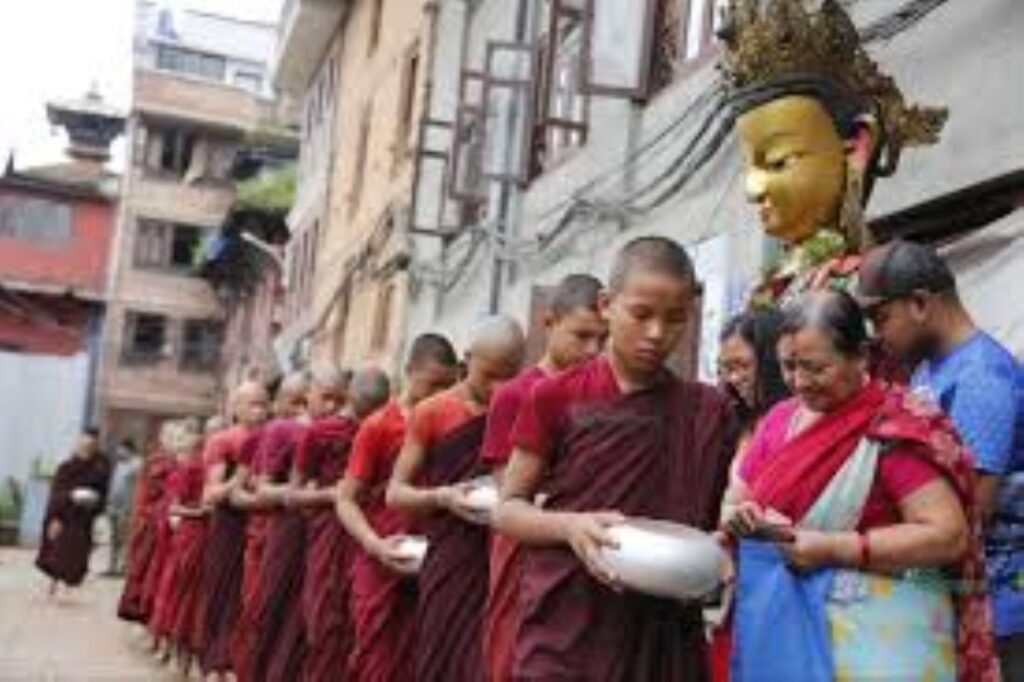
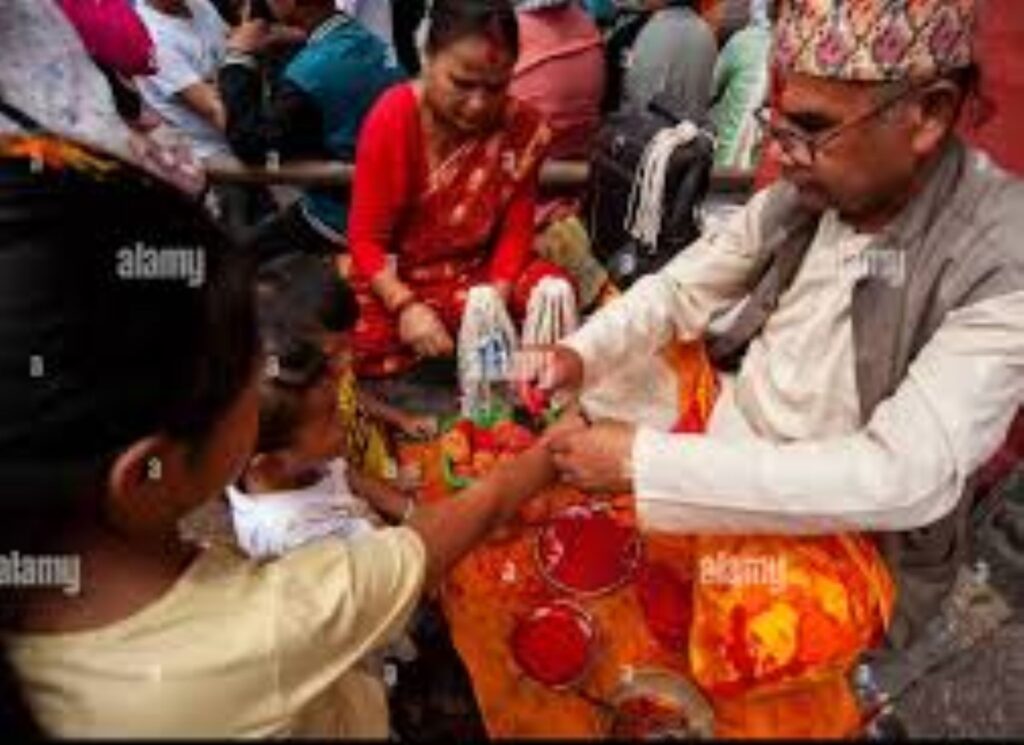
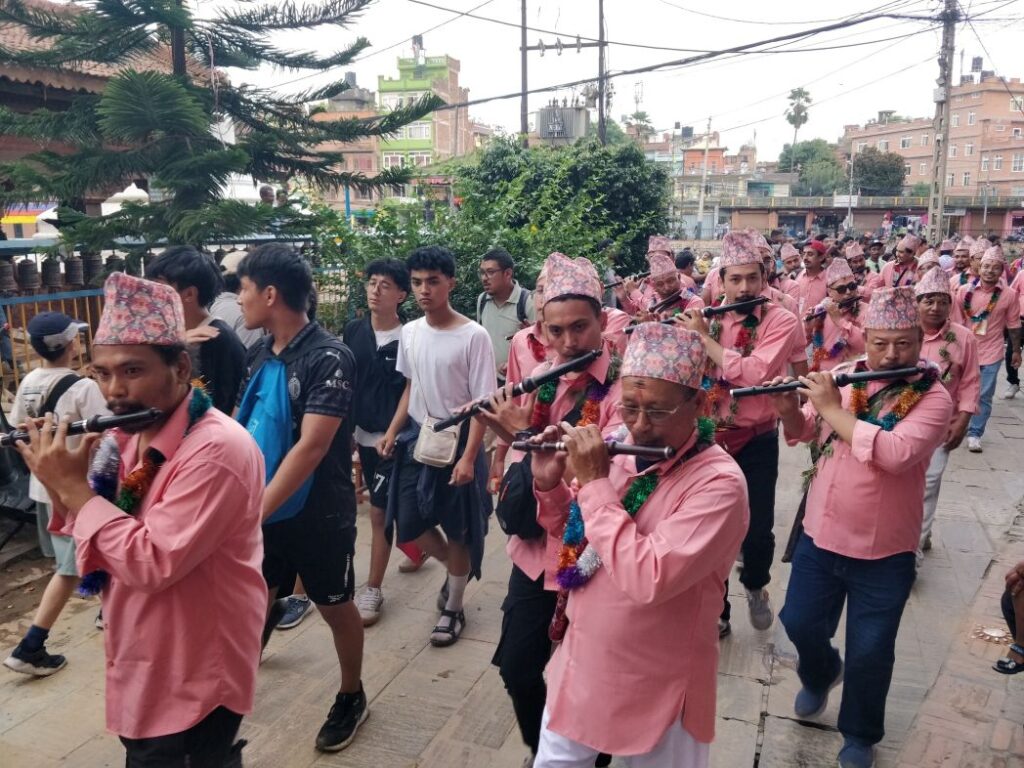
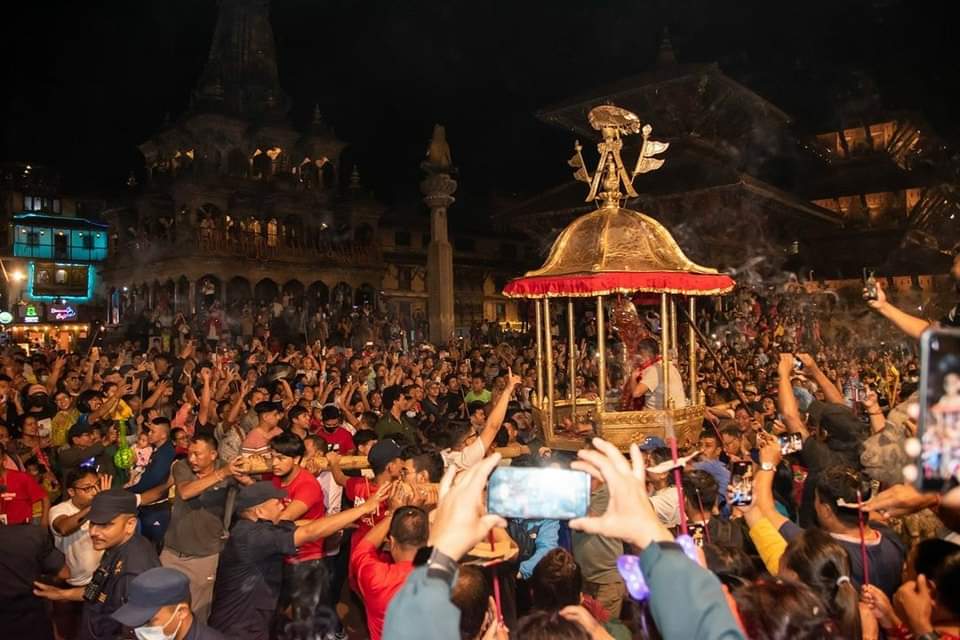
Vibrant celebrations of culture, faith and community that bring Patan’s living heritage and traditions to life.
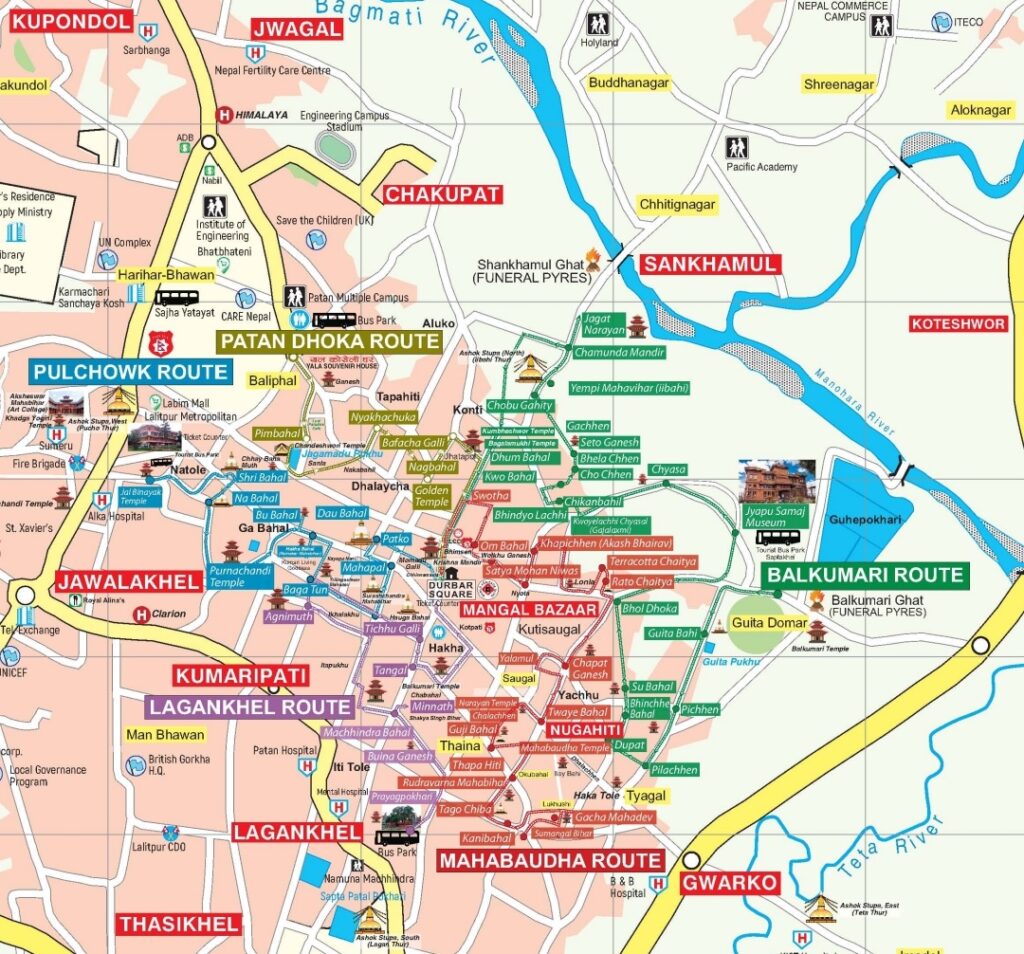
HERITAGE ROUTE MAP
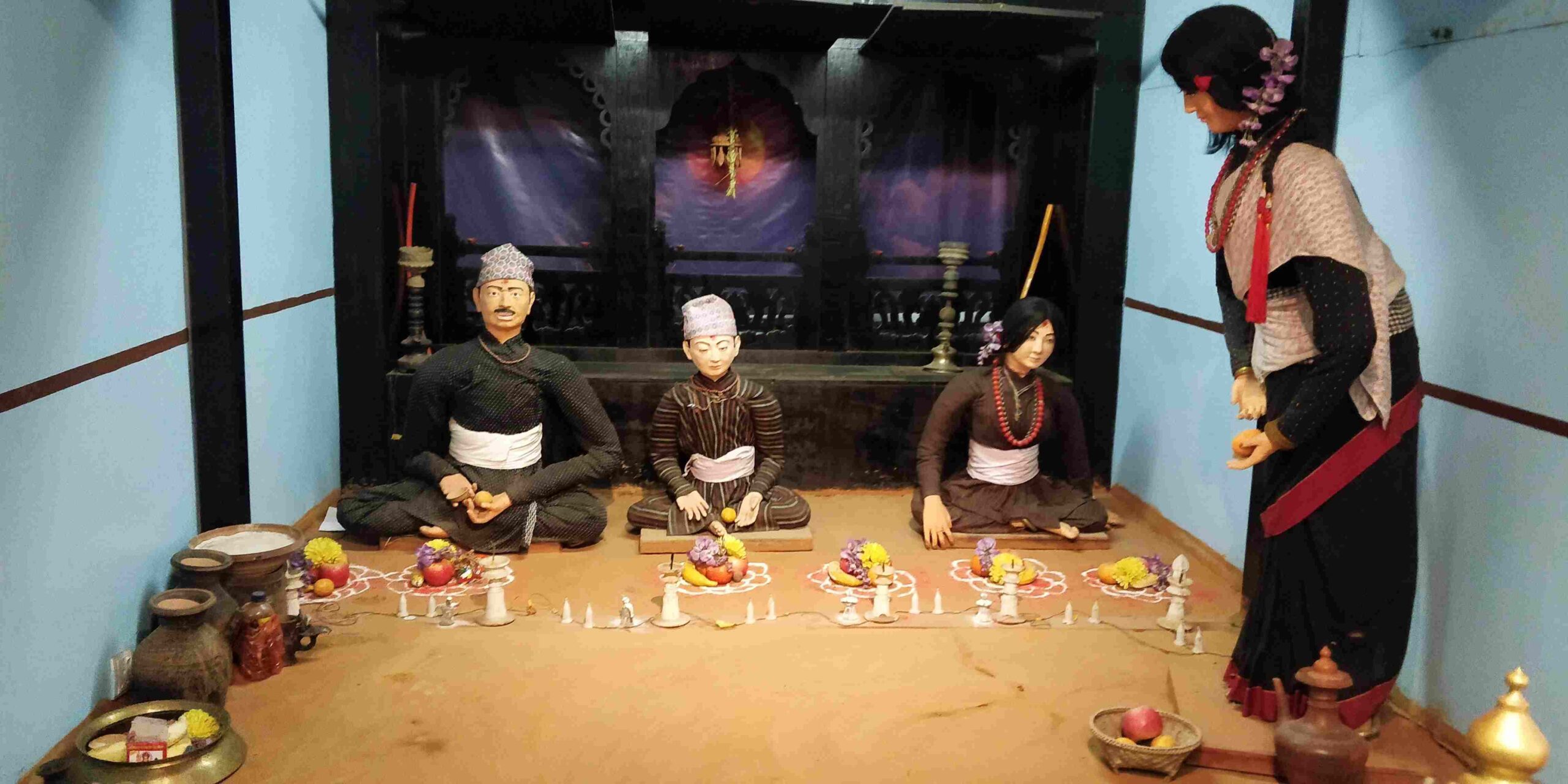
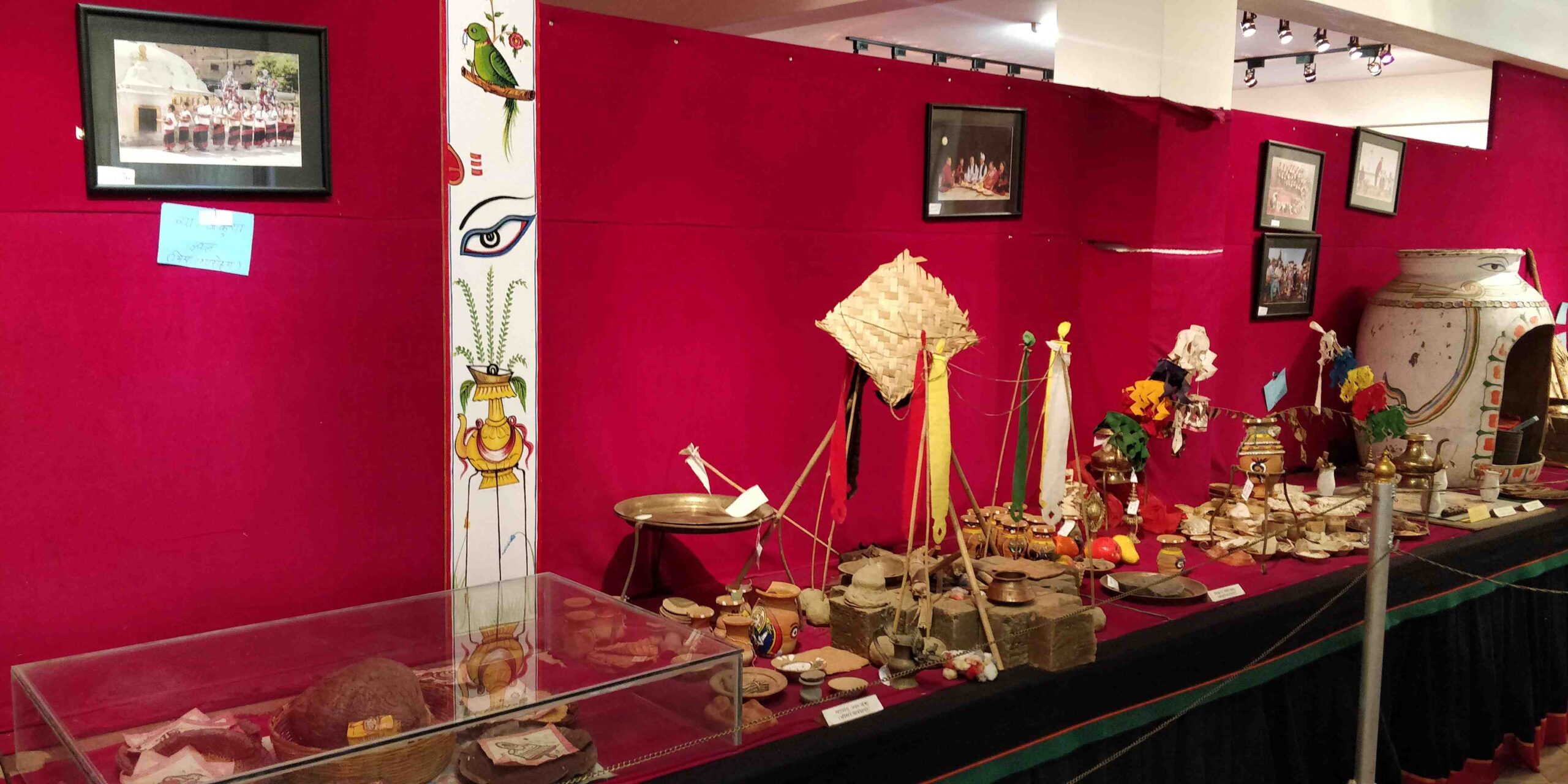
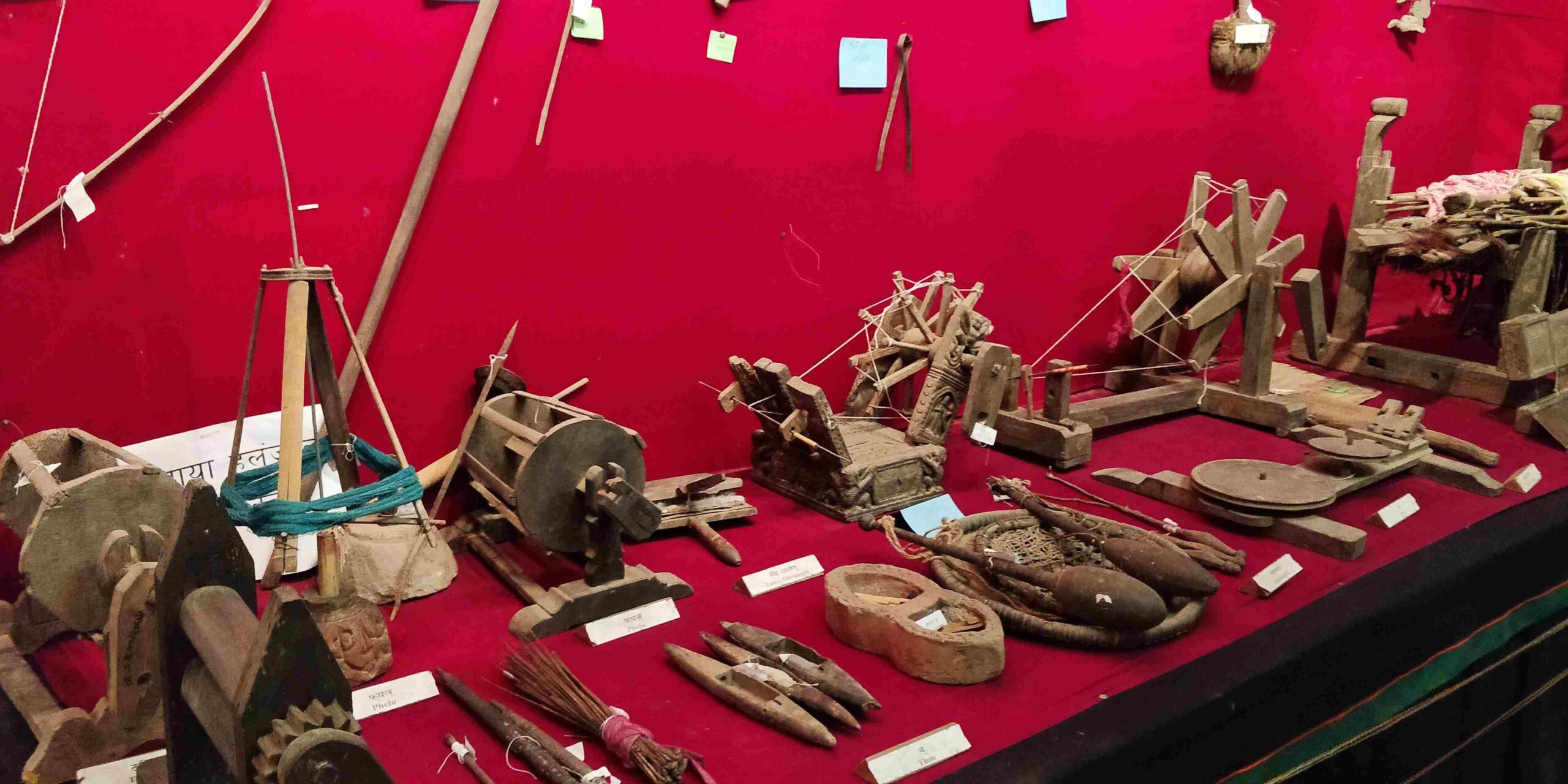
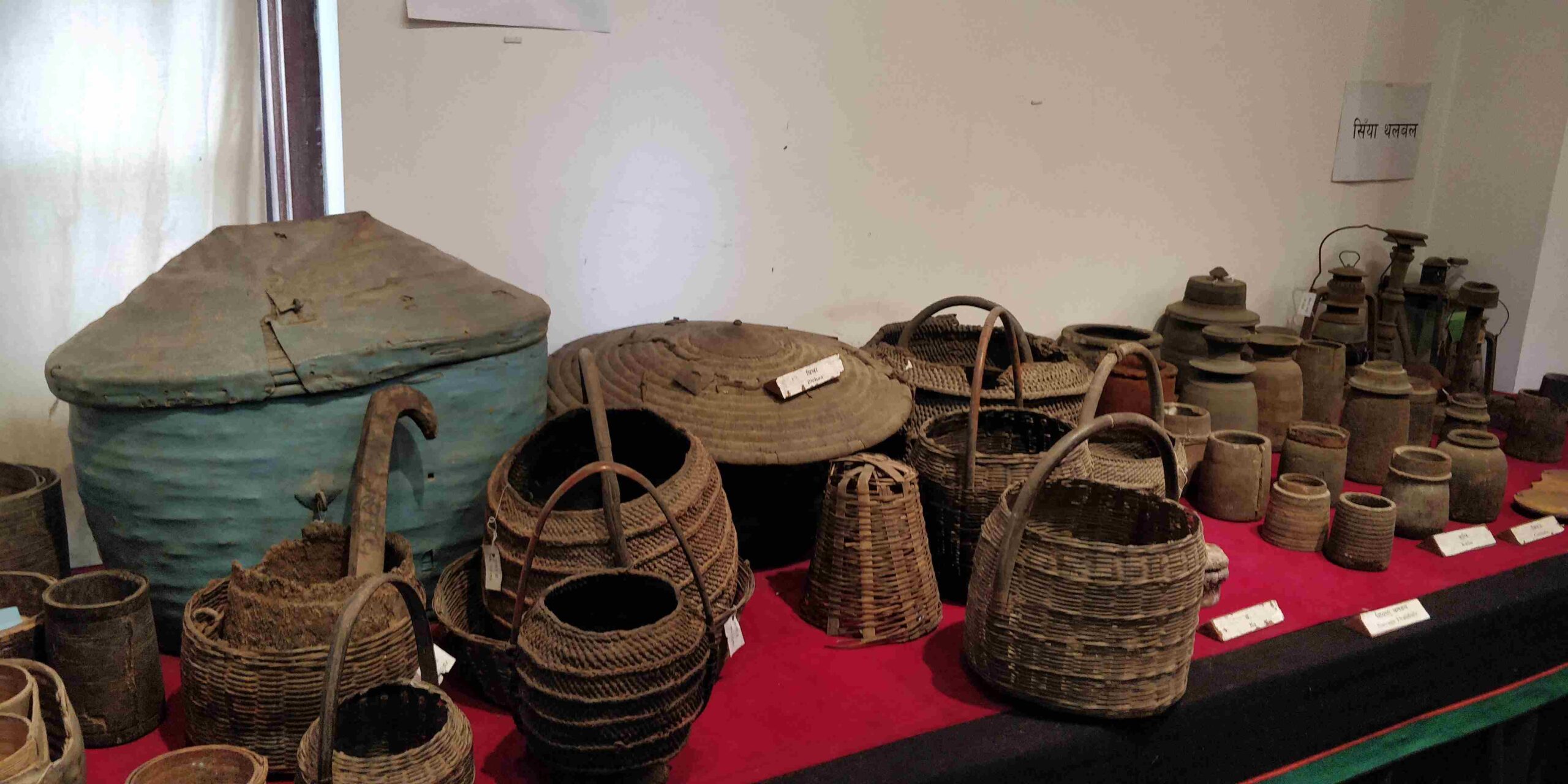
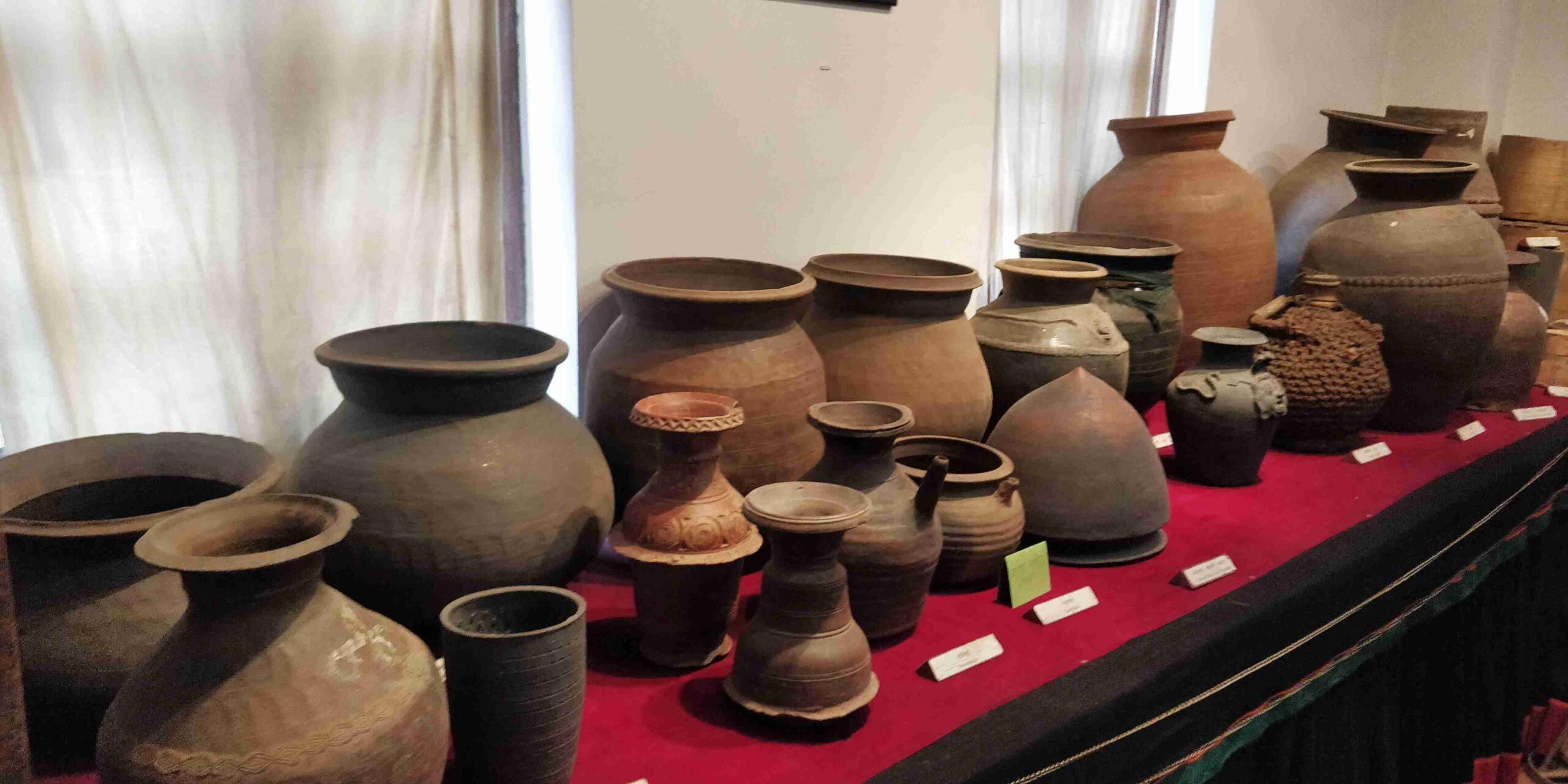
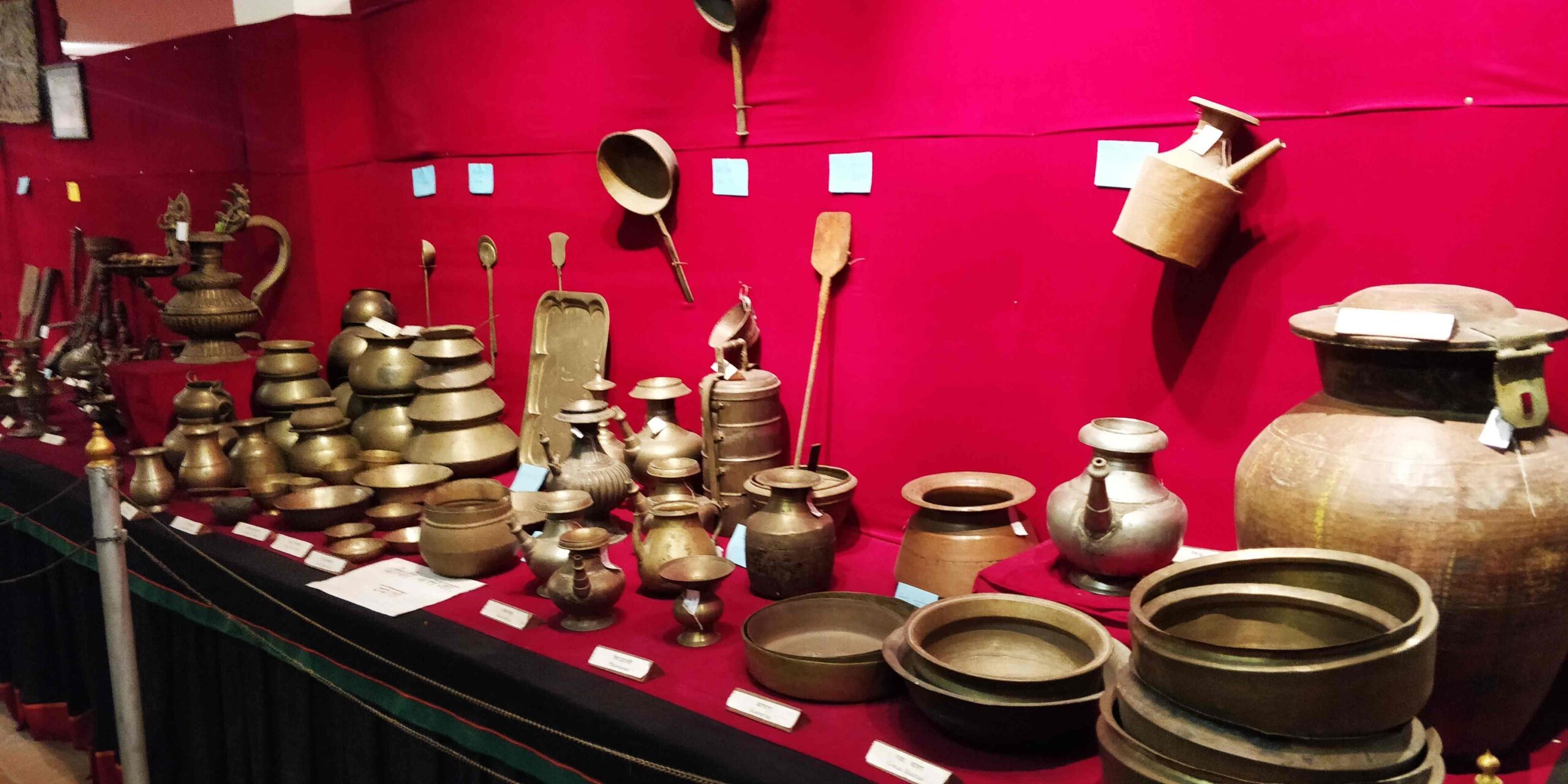
Jyapu Museum


The Jyapu Museum in Lalitpur offers visitors a glimpse into the daily lives of the Jyapu people, a prominent indigenous group in the Kathmandu Valley. The museum is dedicated to preserving and showcasing the household objects and tools used by the Jyapu people throughout history. From farming equipment to kitchen utensils, visitors can explore a vast collection of artifacts that tell the story of the Jyapu people and their way of life.
For Contact: Jyapu Samaj, Yala, Bhola Ganesh, Ward No. 9, Lalitpur Sub-Metropolitan City
Phones: 01- 5544857, 01-5544844 Email: info@jyapusamaj.org.np
President: Mr. Santa Man Maharjan (Mobile: 9841-282587)
Basic Nepali Greetings
- Hello → Na.ma.ste
- Good morning → Shu.bha.pra.bhat
- Good night → Shu.bha.rah.tri
- Have a good day → Shu.bha. din
- Goodbye → Pheri. bhe.taula
- Did you understand? → Bhu.jhnu bhayo?
- Is everything okay? → Thik cha?
- I’m okay → Thik cha
- Is everything good? → Ram.ro cha?
- I’m good /fine → Ram.ro cha/ thik.chu
- My name is……… → Mero nam …….. ho
Manners in Nepali
- Thank you → Dhan.ya.bad
- Please → Kri.pa.ya
- You’re welcome → Swag.gat.tum
- Pardon → Ha.jur
- Excuse me → Excuse me (use English)
- Can I take your photo? → Photo khich.nu hun.cha?
- Beautiful → Ram.ro
- I love your country a lot → Ma.lai ta.pai ko desh sa.rai man par.yo
- Delicious → Mi.tho.cha
- Yes → Ho
- No → Hoi.na
- Please help → Sa.ha.yog gar.nus
OUR OBJECTIVE
Promotes tourism
Accommodations, upcoming cultural events.
Highlight
tangible and intangible heritage, festivals and local celebrations.
Teamwork
high-quality service, customer satisfaction and business success.
Improvement
of our skills and services.
CLIENT TESTIMONIALS
Real travelers. Real stories. Real opinions to help you make the right choice!!
ancient temples and the opportunity to wander through charming alleyways with local shops. Wonderful
place to stay offering a peaceful atmosphere rich in culture, art and authentic local life.