PATAN STAY INFORMATION

Festival Glimpses

Nepal's National Paddy Day
A Joyful Celebration of Farming and Community

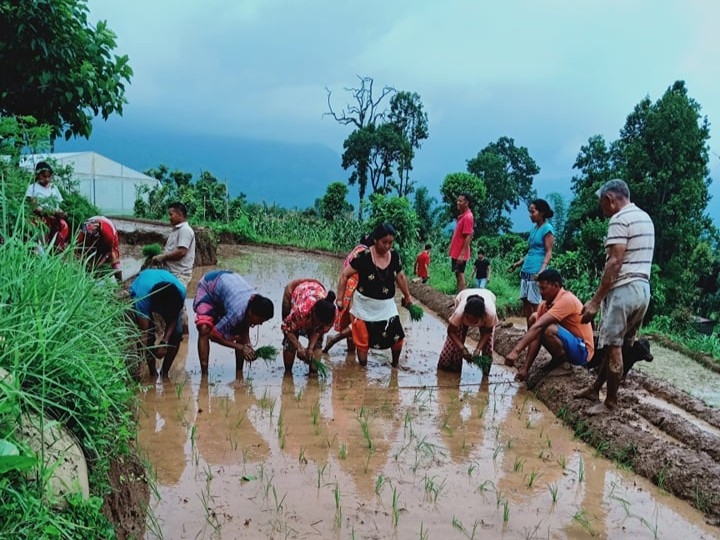
Ropai Diwas/Dhan Diwas/Asar Pandra, marks one of Nepal’s most joyful and significant agricultural festivals, officially recognized as “National Paddy Day.” It signals the beginning of the rice planting season, when farmers across the country head to their flooded paddy fields to sow seedlings together. What makes this day truly special is the spirit of community – neighbors, families and friends gather in muddy fields, turning hard physical labor into a celebration filled with laughter, traditional folk songs, and dance. The iconic dish of the day, Dahi Chiura (yogurt and beaten rice), is enjoyed by farmers and communities alike, fueling their energy through the demanding work. Rice being Nepal’s staple crop, Asar 15 carries deep cultural and economic significance, symbolizing hope, collective effort, and the promise of a bountiful harvest.

Sithi Nakha
Sithi Nakha: Preserving Water, Nature and Community Spirit

Sithi Nakha is a beloved festival of the Newar community, uniquely dedicated to cleaning and preserving vital water sources before the monsoon season. Celebrated at the end of the dry season, it beautifully blends ancient environmental wisdom with religious devotion, reflecting a deep-rooted commitment to collective responsibility and sustainable community living.

Sithi Nakha, or “Kumar Shashthi,” honors Lord Kumar Kartikeya on his believed birth anniversary. Families prepare traditional Wo (lentil pancakes) and Chatamari (rice flour crepes) to nourish the community before the paddy planting season. Recognized as “Water Resource Conservation Day,” it stands as a powerful symbol of humanity’s ancient bond with nature.

Bhoto Jatra
Experience Bhoto Jatra: Patan's Festival of Harvests

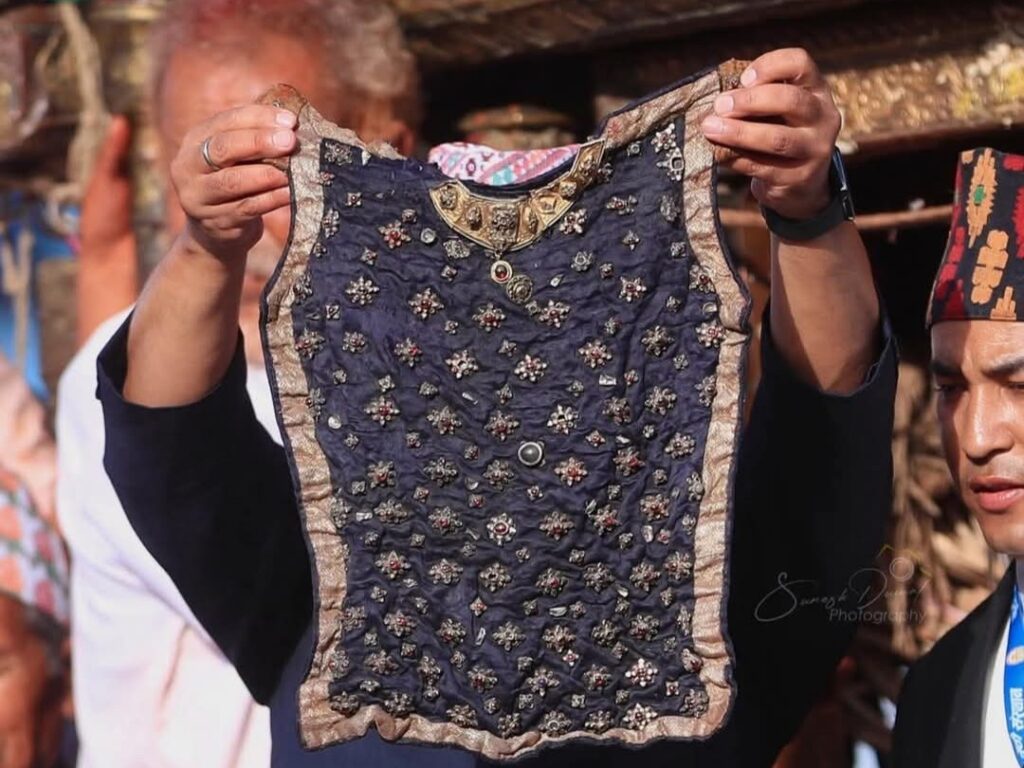
Bhoto Jatra is a revered spring festival celebrated in Patan, honoring Rato Machhindranath, the deity of rain and agricultural prosperity in Newar Buddhist tradition. Held in April–May (Baishakh), this festival centers on the public display of the sacred bhoto (ceremonial vest).

The bhoto is displayed at Jawalakhel chariot grounds and attracts thousands of devotees, pilgrims and community members. 

Bhoto Jatra is believed to ensure good harvests, rainfall and prosperity throughout the valley. The festival blends Buddhist and Hindu practices characteristic of Patan’s syncretic religious culture, reflecting centuries of Newar spiritual tradition. The bhoto itself is an ancient textile, carefully preserved and displayed only once yearly, adding to its religious mystique.

As one of Patan’s oldest festivals, Bhoto Jatra reinforces community identity and religious devotion. It remains a powerful expression of Newar cultural heritage and the enduring relationship between the city, its people and the sacred landscape of the Kathmandu Valley.
Buddha Jayanti festival
Buddha Jayanti (Buddha Purnima) in Nepal

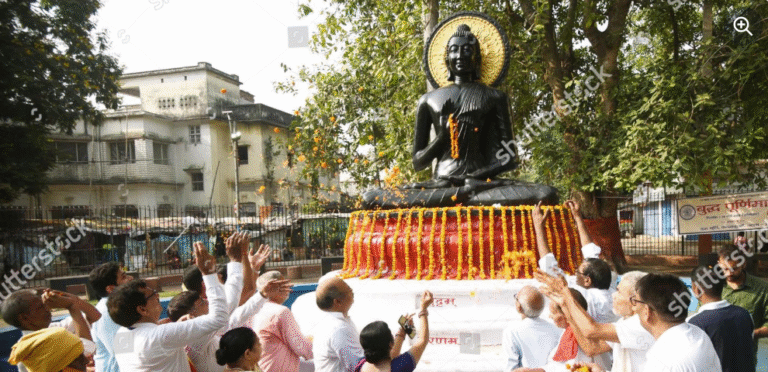
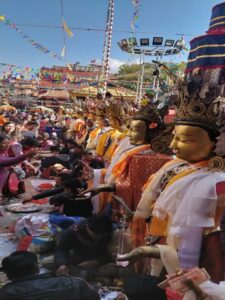
Buddha Jayanti is one of the most sacred and vibrant festivals in Nepal, celebrating the birth, enlightenment, and passing away (Mahaparinirvana) of Siddhartha Gautama. It falls on the full moon day of the Nepali month of Baisakh (April–May), making it a spiritually significant time for Buddhists and peace seekers around the world.

Major celebrations take place at Lumbini, the birthplace of Buddha, where thousands of pilgrims gather for prayers, meditation, and rituals. In the Kathmandu Valley, areas like Patan Durbar Square, Swayambhunath Stupa and Boudhanath Stupa come alive with butter lamps, chanting, and colorful processions.

Machindranath Festival
The Vibrant Rato Machindranath Chariot Festival

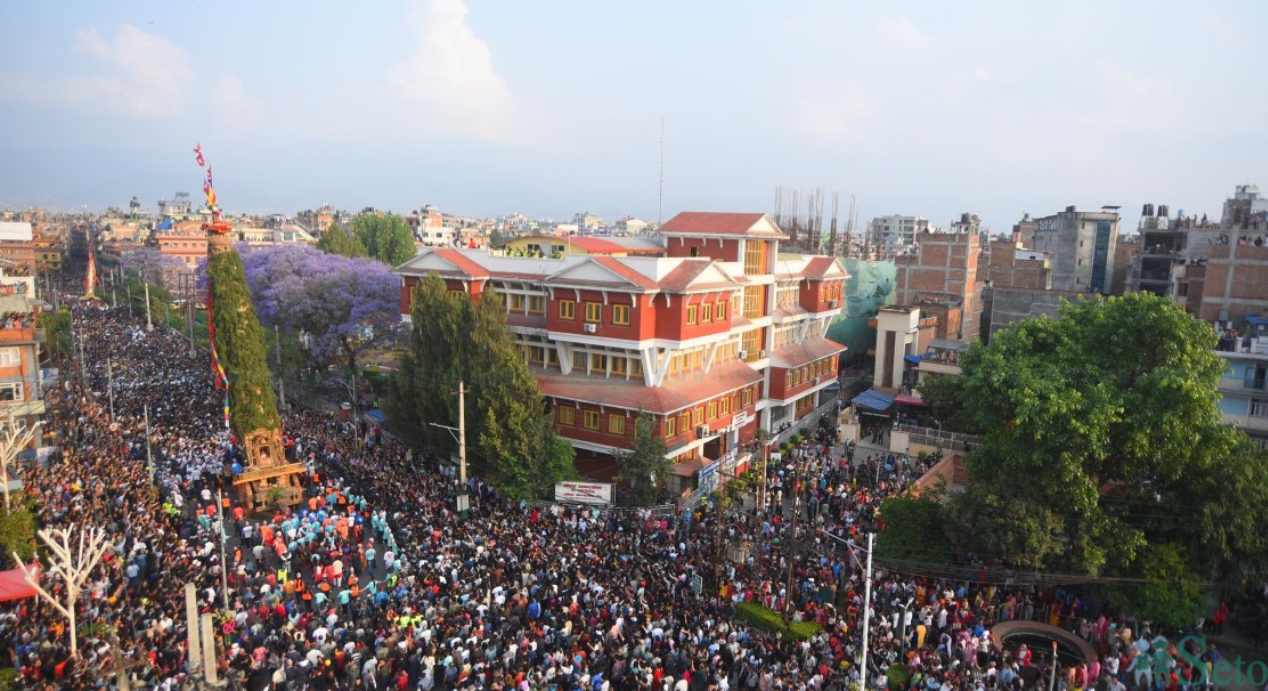
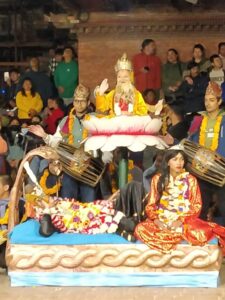
The Rato Machindranath Jatra, also called Bunga Dyah Jatra (festival), is one of the oldest, longest and most lively festivals in Nepal. It is celebrated every year in Lalitpur (Patan) and lasts for about a month. During the festival, a large wooden chariot carrying the image of Rato Machindranath is pulled through different parts of the city by devotees. Rato Machindranath is worshipped by both Hindus and Buddhists as the god of rain and compassion. The festival is especially important for the Newar community and reflects Nepal’s deep connection with agriculture, as people pray for good rainfall and a successful farming season. The celebration also brings communities together and showcases the rich cultural traditions of Patan.

Ghode jatra Festival
The Unique Tradition of Ghode Jatra in Patan

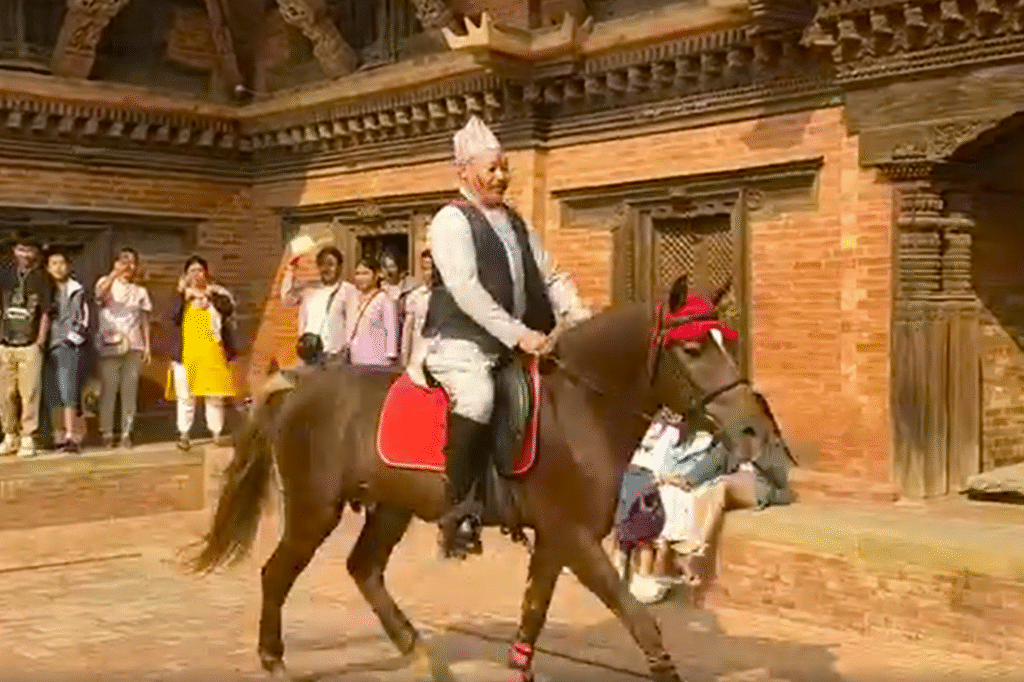
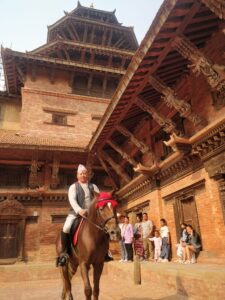
Ghode Jatra in Patan (Lalitpur) is unique traditional celebration observed on the same day as the festival in KathmanduUnlike the formal army horse parade held at TundikhelPatan’s version is lively and deeply rooted in local Newar traditions and community participation.

The festival is popularly known as Ekal Ghode Jatra (Single Horse Festival)During the event, single rider races horse around the area of Balkumari TempleRitual connections are also associated with Mul Chowk inside Patan Durbar Squarelinking the celebration with the traditions of the former royal palace.

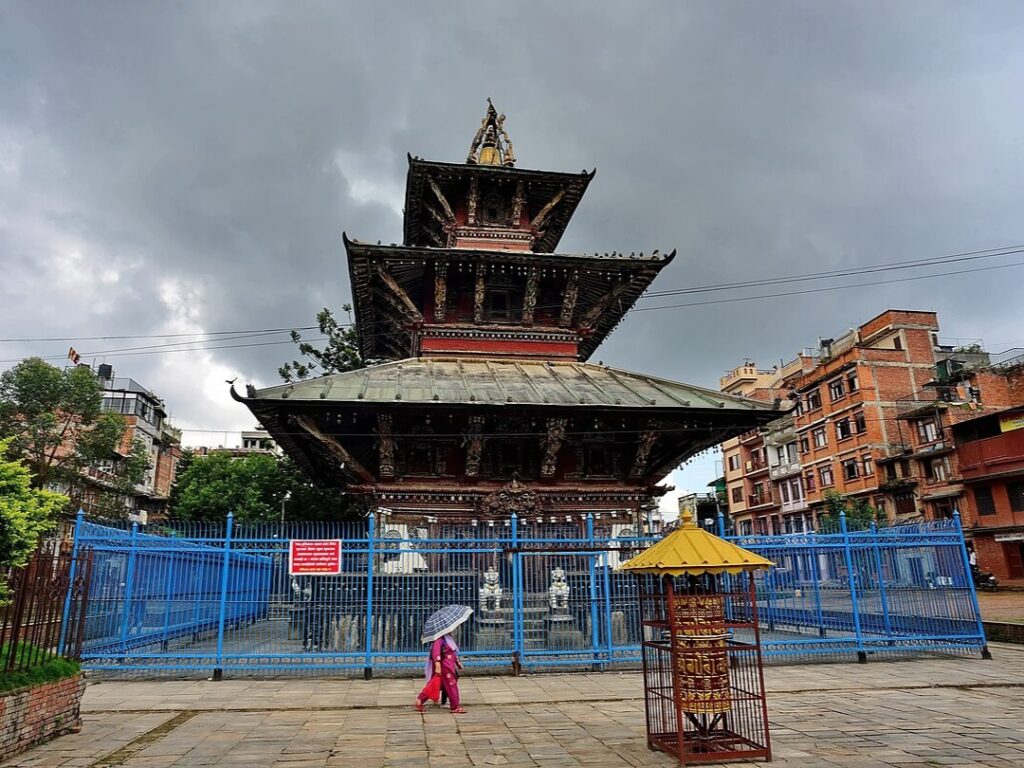
Machhindranath Temple
Machhindranath Jatra – The Journey of Faith and Rain Blessings

The revered Machhindranath deity (Bunga dyo), which has been enshrined in Bungamati for the past six months, will be brought back to Patan on Wednesday, November 26, 2025. Following the advice of an astrologer, the decision has been made to transfer the deity to the Machhindranath Temple at Tabahal.

The Machhindranath Jatra, known as the longest and one of the most significant festivals in the Kathmandu Valley, will be celebrated for approximately three months. The sacred tradition of rotating the deity between Bungamati and Patan every six months reflects the enduring spiritual and cultural bond between these two ancient Newar settlements.

Shivaratri Festival

People Visit Shiva Temples on Shivaratri

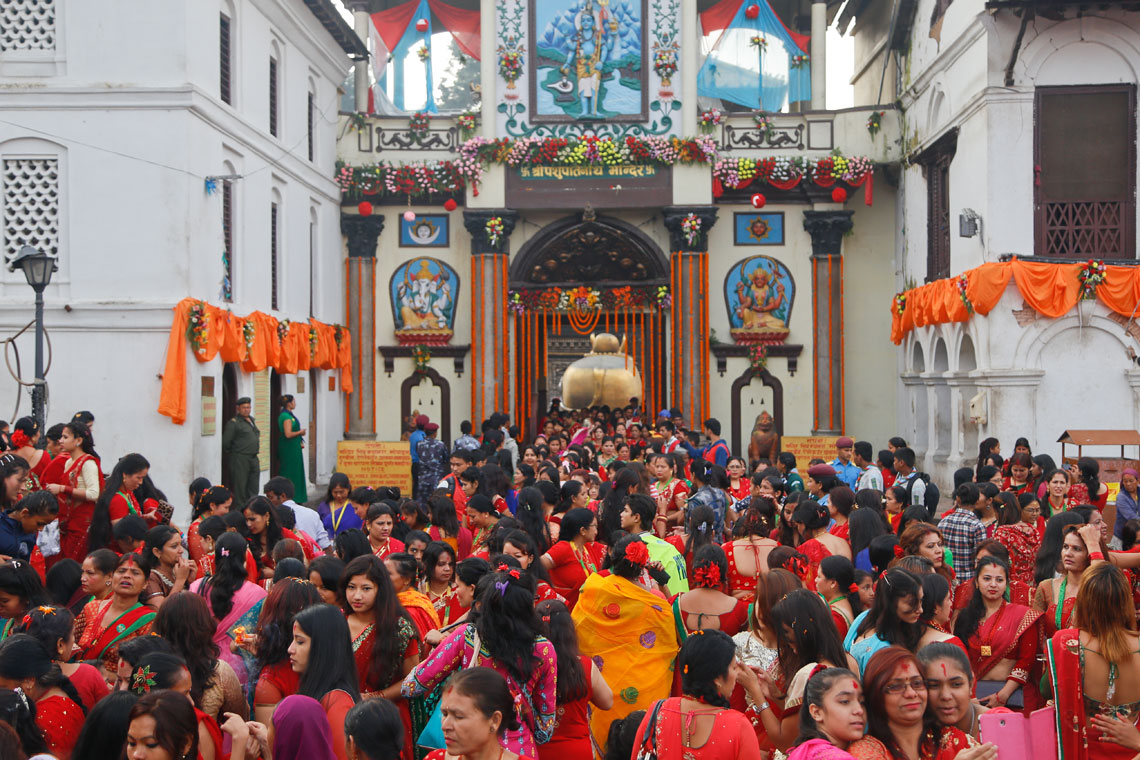
Shivaratri is a sacred Hindu festival dedicated to Lord Shiva, celebrated with deep faith and spiritual devotion across Nepal. On this auspicious day, devotees fast, offer prayers and visit Shiva temples, especially Pashupatinath. The night is spent in quiet reflection, chanting and rituals, creating a peaceful and spiritual atmosphere. Shivaratri symbolizes inner purification, spiritual awakening and the harmonious connection between human life, nature and the divine.

In Patan, devotees also visit and offer prayers at the historic Kumbheshwar Temple.


Fagu Furnima

Joyful Fagu Purnima Brings Colors and Happiness

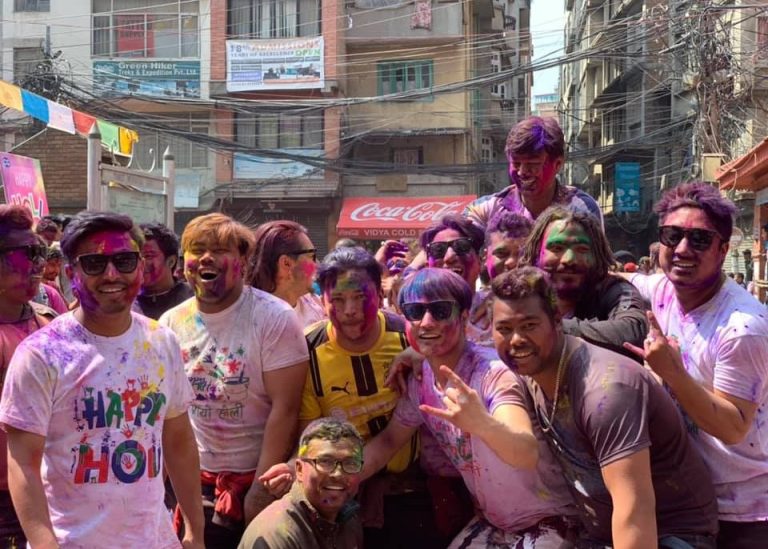
Fagu Purnima, also known as Holi, is a joyful festival celebrated across Nepal, marking the arrival of spring and the victory of good over evil. People celebrate by throwing colors, singing, dancing, and sharing happiness with family and friends. The festival brings communities together in a lively and friendly atmosphere, symbolizing love, harmony and new beginnings.

Festival Vibes

Scroll to Top